When most people think of landfills, they think trash. But what if your local landfill was a certified wildlife habitat?
In 2019, the DRPI Landfill began its journey to become part of WM’s 90 Wildlife Habitat Council Certified facilities. After several years of data collecting and a pandemic, the DRPI Landfill successfully obtained this prestigious award from the Wildlife Habitat Council in December 2021.
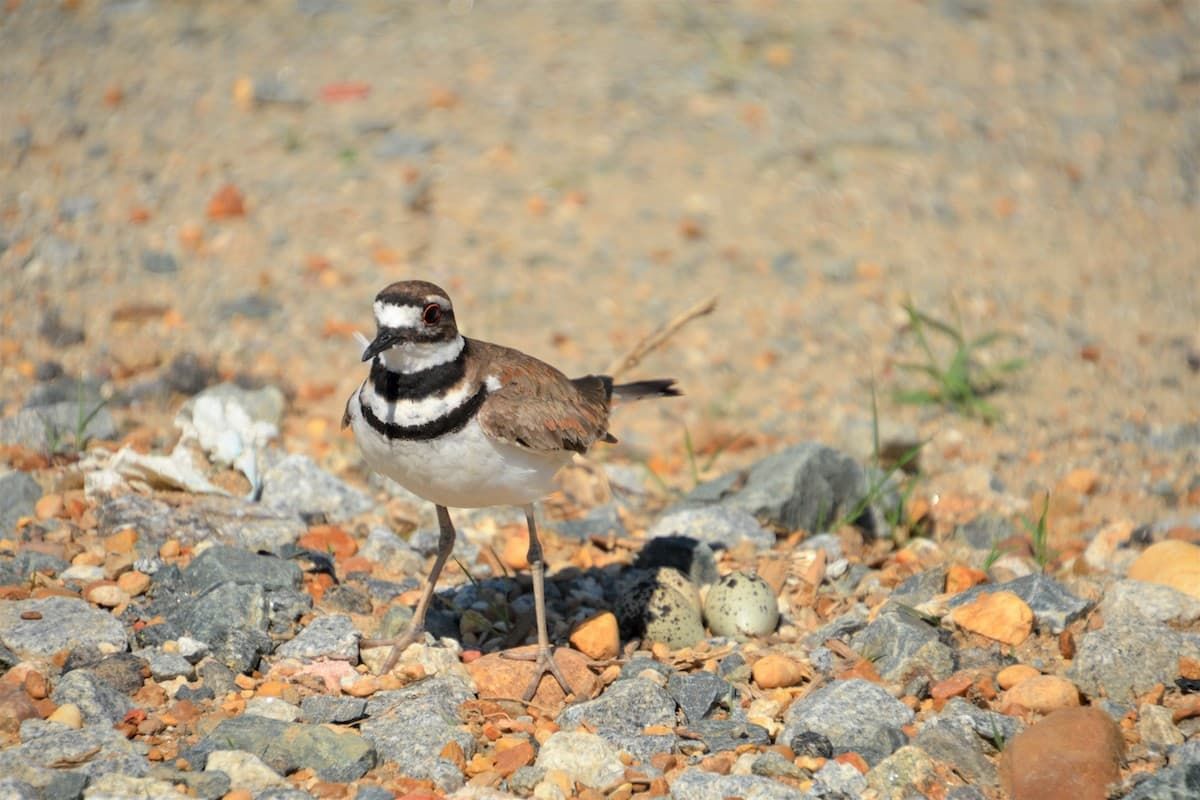
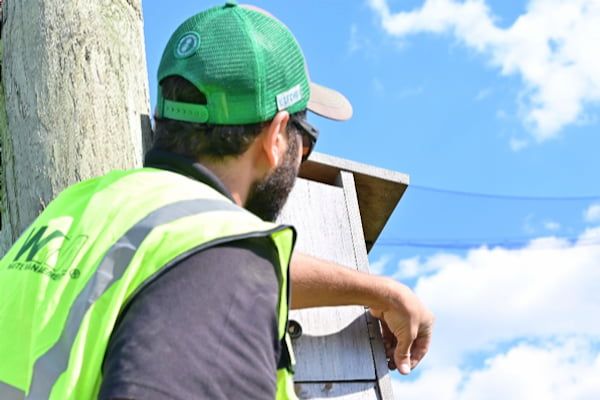
In 2018, we spotted a kestrel at the facility and reached out to the Brandywine Zoo, founders of the Delaware Kestrel Partnership Program (DKP).
We met with the zoo and began constructing kestrel boxes in 2019. Since then, we've partnered with volunteers to monitor and report data to the DKP.
DRPI also monitors bluebird boxes and maintains a pollinator garden. Email us to join a habitat committee and help out!
At the request of New Castle County officials, we conducted a 4-season study of particulate matter in the air at the landfill and in the community. The study found that dust levels in the area are below levels at which the EPA indicates a public health concern. To learn about how the study was conducted and the information collected, click the download button.
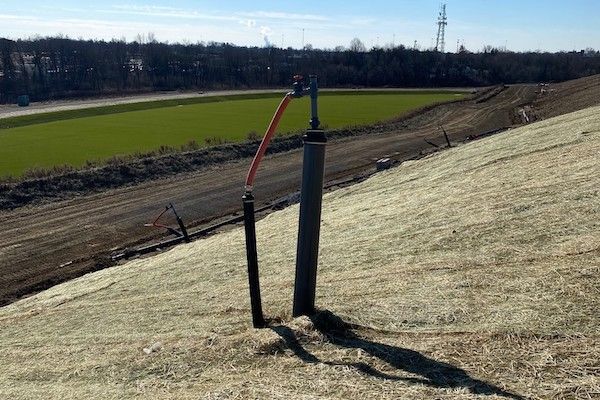
Landfill gas is produced by decomposition of organic waste and we use a network of wells complemented by a capping system to collect this gas and control potential odors.
Capping improves the gas collection system's efficiency, augments odor-control activities and prevents rain from entering and creating wastewater.
The DRPI network has 17 groundwater monitoring wells that are sampled semi-annually by an independent laboratory. These results are reported to the DNREC.
WM is dedicated to environmental education. From recycling to watersheds to landfills, our team of experts enjoy partnering with local schools and organizations.
In 2021, DRPI Landfill experts partnered with Delaware State University and Dr. Scott on curriculum with a focus on wastewater remediation. Dr. Scott and her colleagues were leading a 2-week STEM summer camp for middle school students. The opportunity to support Dr. Scott offered students a closer look at landfills and how WM utilizes state-of-the-art technology to protect groundwater.
