Saltar al contenido principal
Schedule & ETAMake a Payment Find a Facility
WM logo
SupportSupport
WM logo

WM's Position on Plastics Recycling

Learn what WM is doing to recycle more plastics and support markets for recycled materials.
WM's Position on Plastics Recycling

WM's Plastic Recycling Process for Curbside Plastics

How our plastic recycling process works for the materials that we pick up from your curb

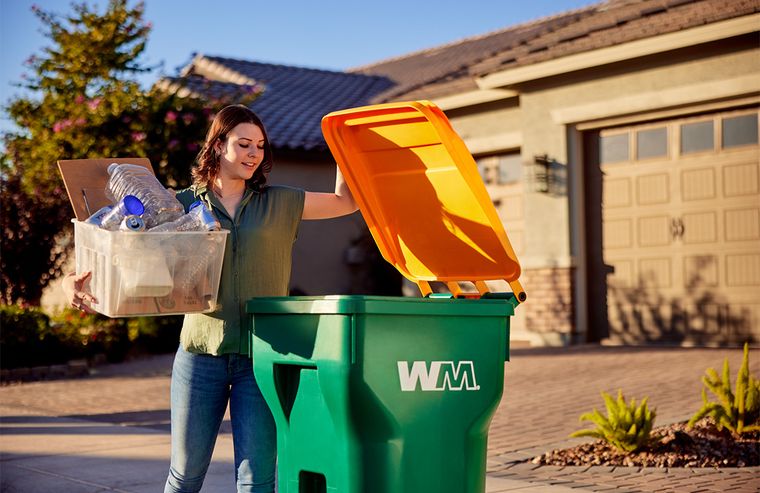
A woman smiles while placing a bin of recyclables into a green WM recycling cart.
Step 1

You put clean and dry plastic bottles, tubs, or jugs into your recycling container.
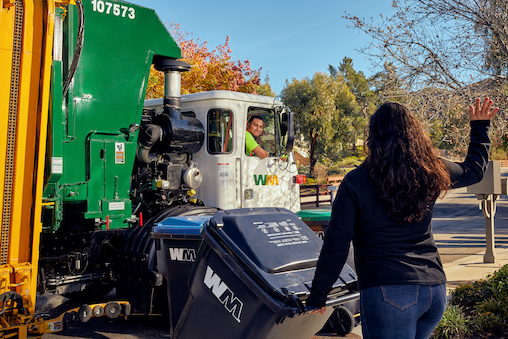
A woman waves to a smiling garbage truck driver as her WM trash can is collected.
Step 2

WM trucks empty curbside carts and transport materials to a recycling facility.
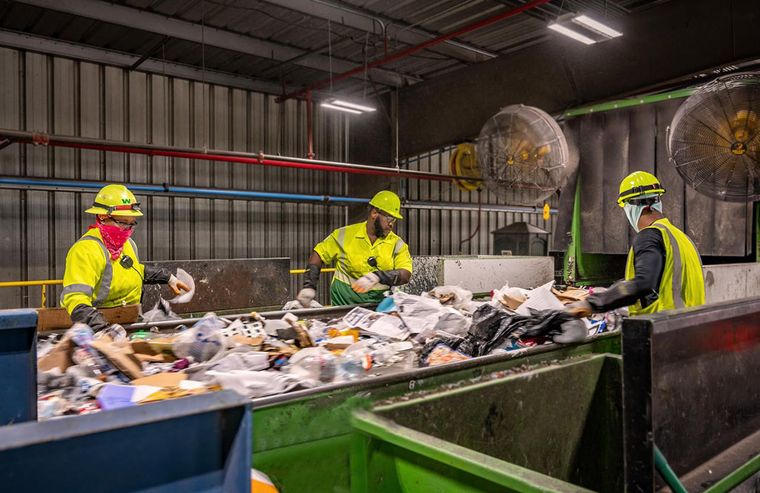
Three workers in hard hats and high-visibility clothing manually sort materials on a recycling conveyor belt.
Step 3

Recyclables are sorted and recyclable plastics get baled together. Unrecyclable materials are removed.
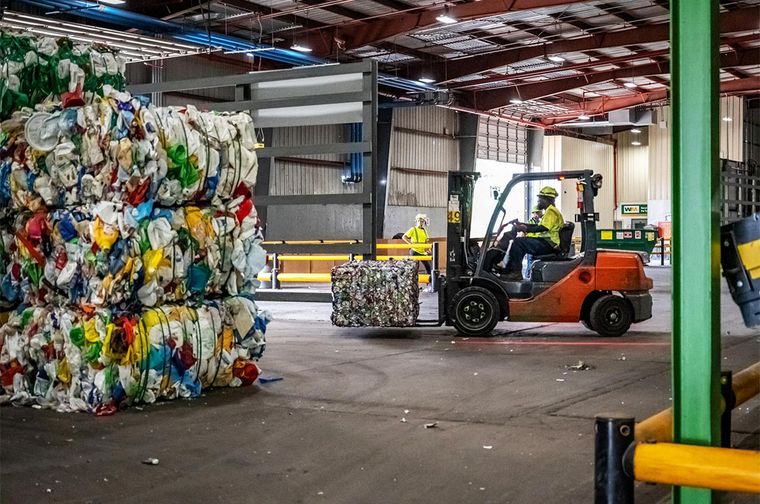
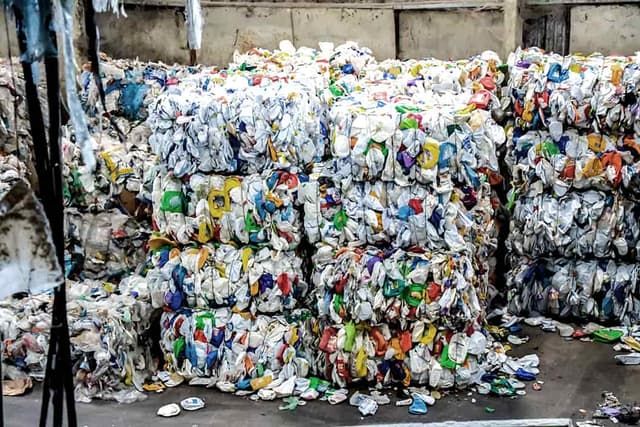
A forklift carries a bale of compressed plastic waste past large stacks of similar bales in a recycling facility.
Step 4

Plastic bales are shipped to manufacturing facilities in North America.

A woman smiles while placing a bin of recyclables into a green WM recycling cart.
Step 1

You put clean and dry plastic bottles, tubs, or jugs into your recycling container.

A woman waves to a smiling garbage truck driver as her WM trash can is collected.
Step 2

WM trucks empty curbside carts and transport materials to a recycling facility.

Three workers in hard hats and high-visibility clothing manually sort materials on a recycling conveyor belt.
Step 3

Recyclables are sorted and recyclable plastics get baled together. Unrecyclable materials are removed.

A forklift carries a bale of compressed plastic waste past large stacks of similar bales in a recycling facility.
Step 4

Plastic bales are shipped to manufacturing facilities in North America.

In pursuit of our intention to recycle materials with responsible domestic end markets, WM generally does not export plastics outside of North America that are collected on WM's residential routes and processed in WM single-stream recycling facilities, except in very limited circumstances when no other commercially viable domestic end markets are available.

WM is an advocate for responsible management of recyclable materials through end of life. With this objective in mind, we are always working on various innovative ways to reduce the environmental impact of plastic recycling.

Plastics Recycling Initiatives

Every day, WM works with recycling processors and domestic end markets for recyclable plastics like bottles, tubs, jugs and jars so that they can replace raw materials in the manufacturing process. Here are some of the ways WM is investing in strategic relationships to continue making plastic recycling a reality.

Recycling Carts

WM has worked with recycling and trash cart manufacturers in the U.S. to design a cart using at least 10% recycled High Density Polyethylene (HDPE) collected from WM customers. When WM purchases new carts we prioritize carts that include recycled materials, thus helping to close the loop for recycled materials.
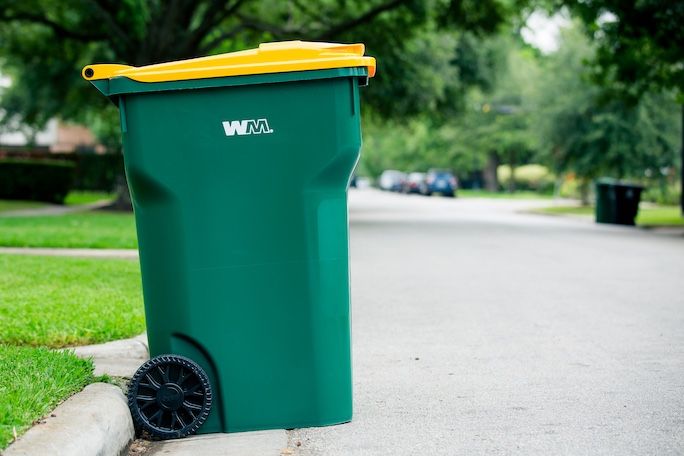
A green WM recycling cart at a residential curb.

Plastic Bags

Some of WM's recent investments into recycling infrastructure include specialized technology that will allow recycling facilities to sort certain plastic films. One day, we hope to add this material to the mixed recycling stream, which will help our customers further reduce the waste sent to landfills.
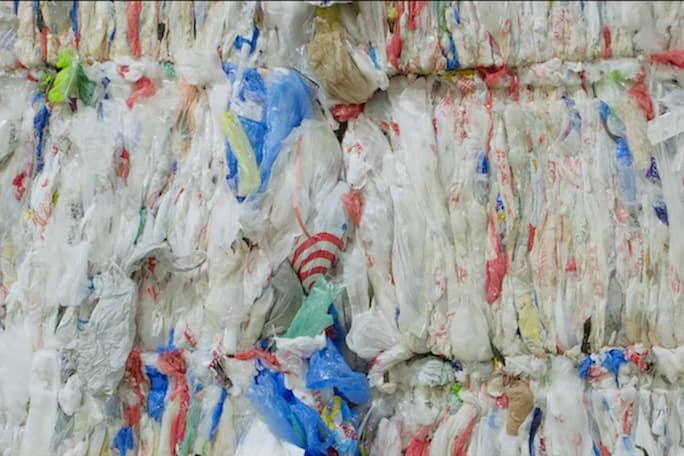
A large bale of compressed plastic bags.

See How WM is Collaborating on Plastics Recycling

WM can help customers reduce waste, increase recycling and progress their waste diversion goals.

New Life for Plastic Bags

Learn how WM collaborates with H-E-B, a large grocery store chain based in Texas, in an effort to be good stewards of our resources and environment.
Close-up, low-angle view of green grass in a field.
New Life for Plastic Bottles

See how WM works with Unifi to help turn plastic bottles into fibers that can be used in new products.
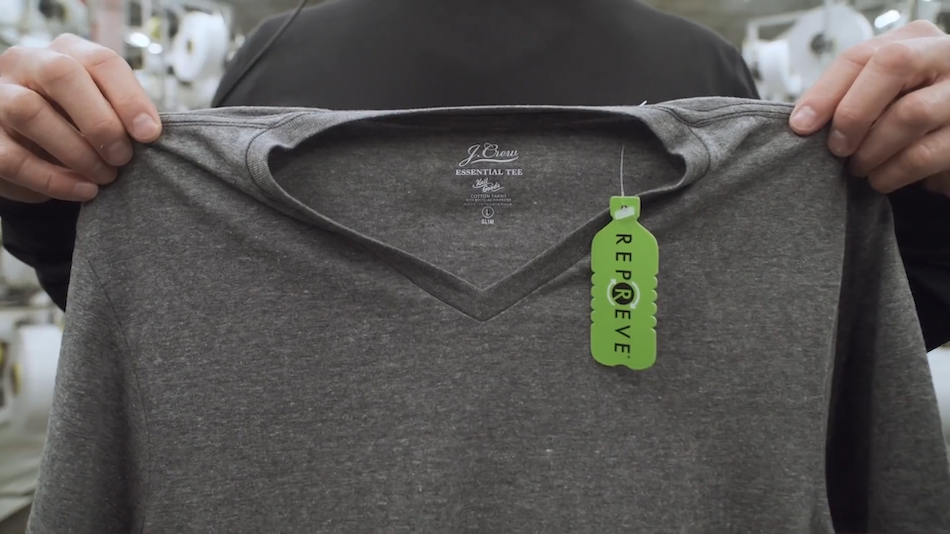
Person holding a gray J. Crew V-neck t-shirt with a green REPREVE tag shaped like a plastic bottle.

From Curb to Creation: Transforming your Plastics into New Products

The example below is just one of the ways recycled plastics can be transformed into feedstock used to create new products.
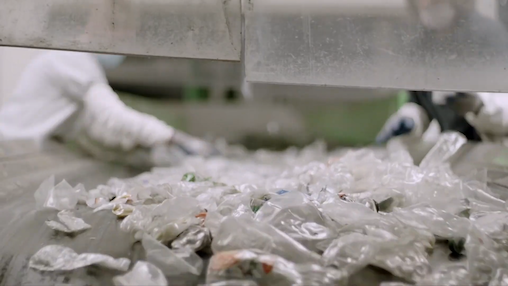
Clear plastic waste on a conveyor belt, with a person in protective gear in the background.
Step 1

Recyclable plastic material is sorted and washed.
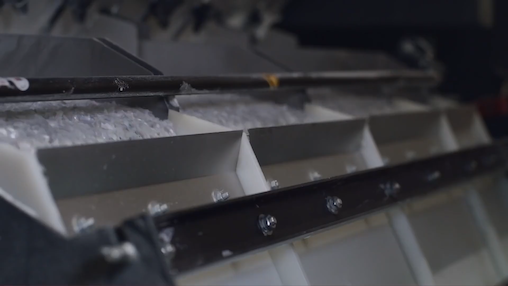
Shredded white plastic granules moving along a conveyor belt with dividers.
Step 2

Recyclable plastic materials are melted, blended together, dried, and then chopped into plastic flake.
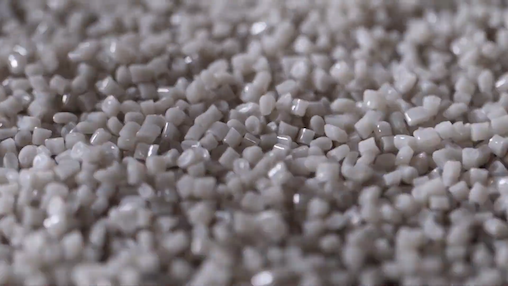
Close-up of numerous translucent grey plastic pellets.
Step 3

Plastic flakes are transformed into pellets of recycled plastic.
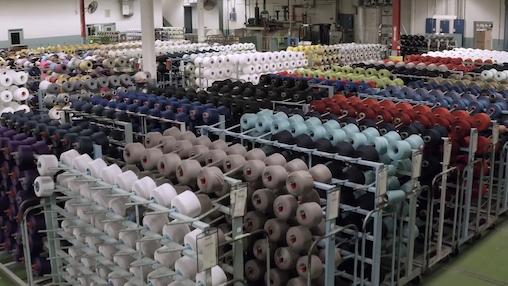
Numerous rolling racks filled with colorful spools of yarn in a factory.
Step 4

Plastic pellets can then be used in the manufacturing process and can be transformed into yarn or other plastic derived materials.

Clear plastic waste on a conveyor belt, with a person in protective gear in the background.
Step 1

Recyclable plastic material is sorted and washed.

Shredded white plastic granules moving along a conveyor belt with dividers.
Step 2

Recyclable plastic materials are melted, blended together, dried, and then chopped into plastic flake.

Close-up of numerous translucent grey plastic pellets.
Step 3

Plastic flakes are transformed into pellets of recycled plastic.

Numerous rolling racks filled with colorful spools of yarn in a factory.
Step 4

Plastic pellets can then be used in the manufacturing process and can be transformed into yarn or other plastic derived materials.

The New Lives of Old Plastics

Plastic Bottles

Water bottles can be recycled to live a second life.
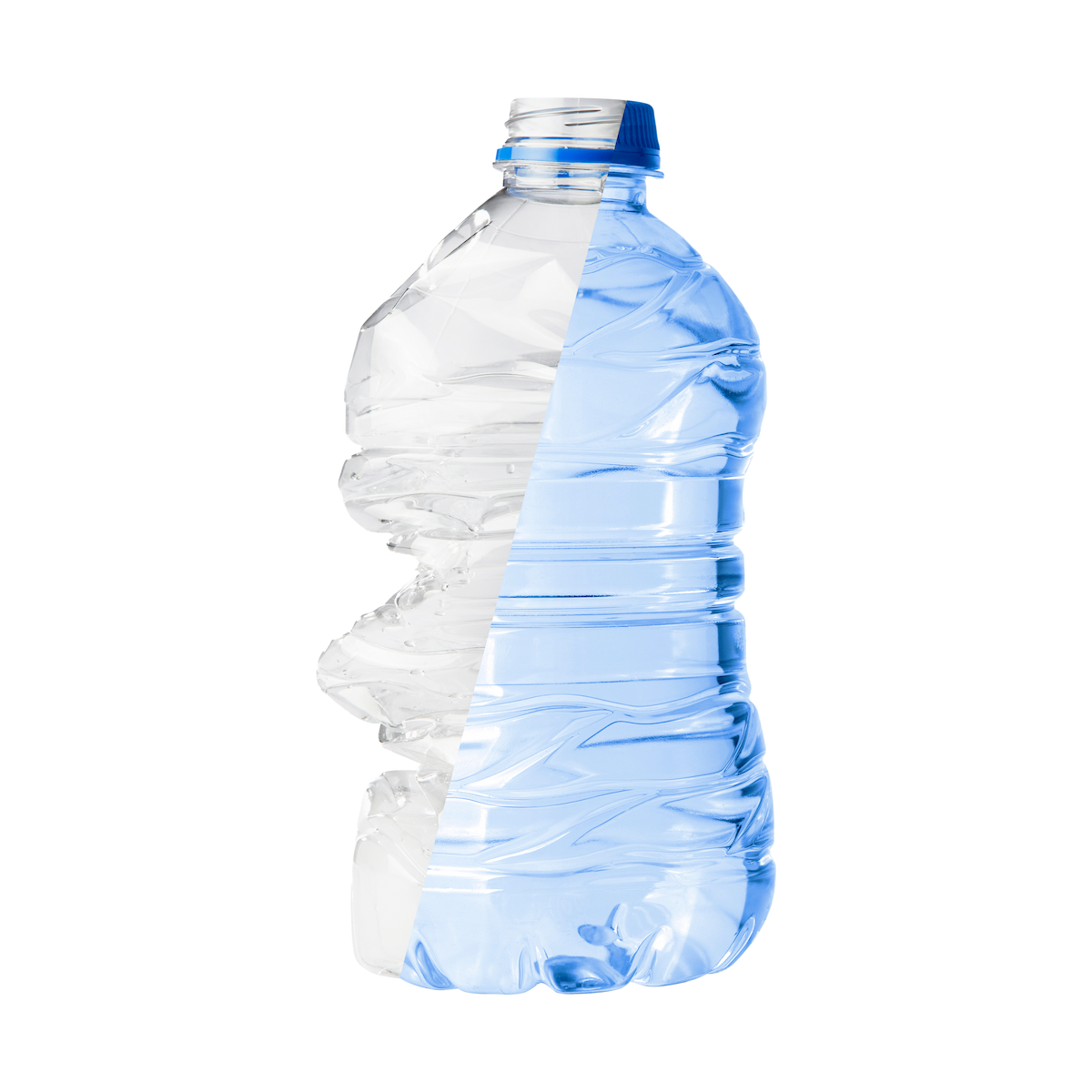
Plastic water bottle, half crushed and empty, half full of water.
Household Items

Milk jugs can be repurposed into detergent containers.
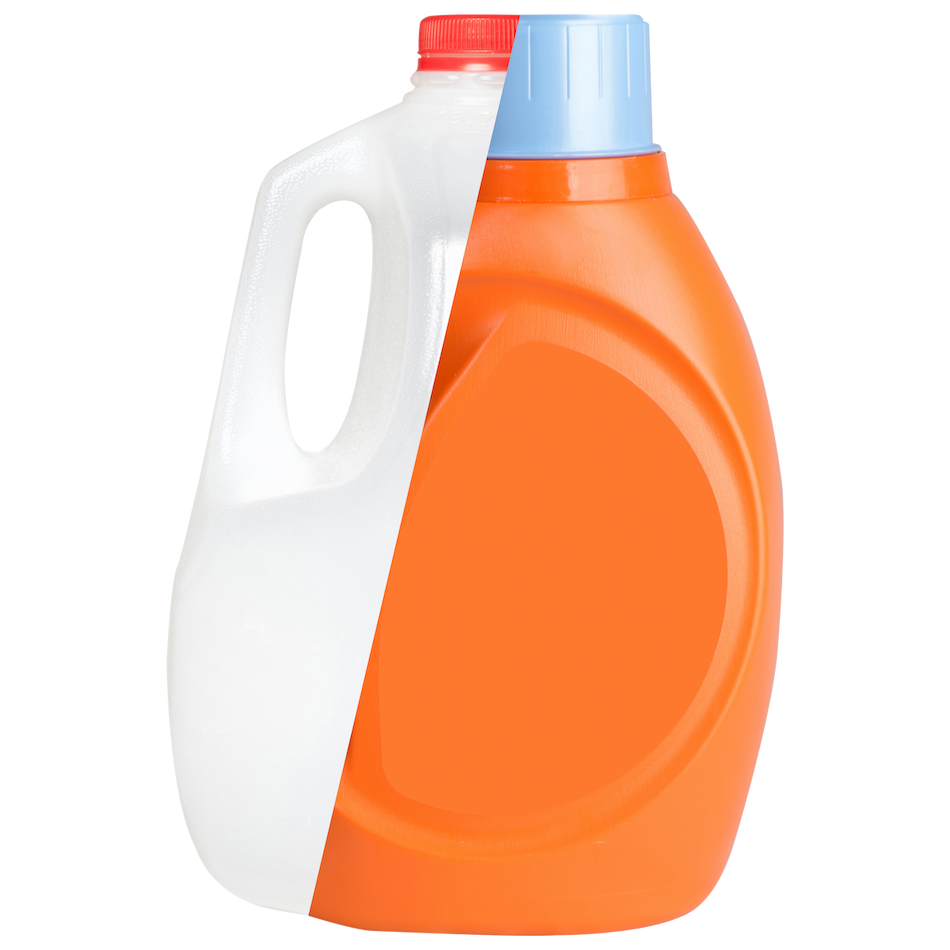
A white plastic jug with a red cap combined diagonally with an orange plastic bottle with a blue cap.
Clothing

Plastic materials from water and juice bottles can be spun into yarn for new clothing.
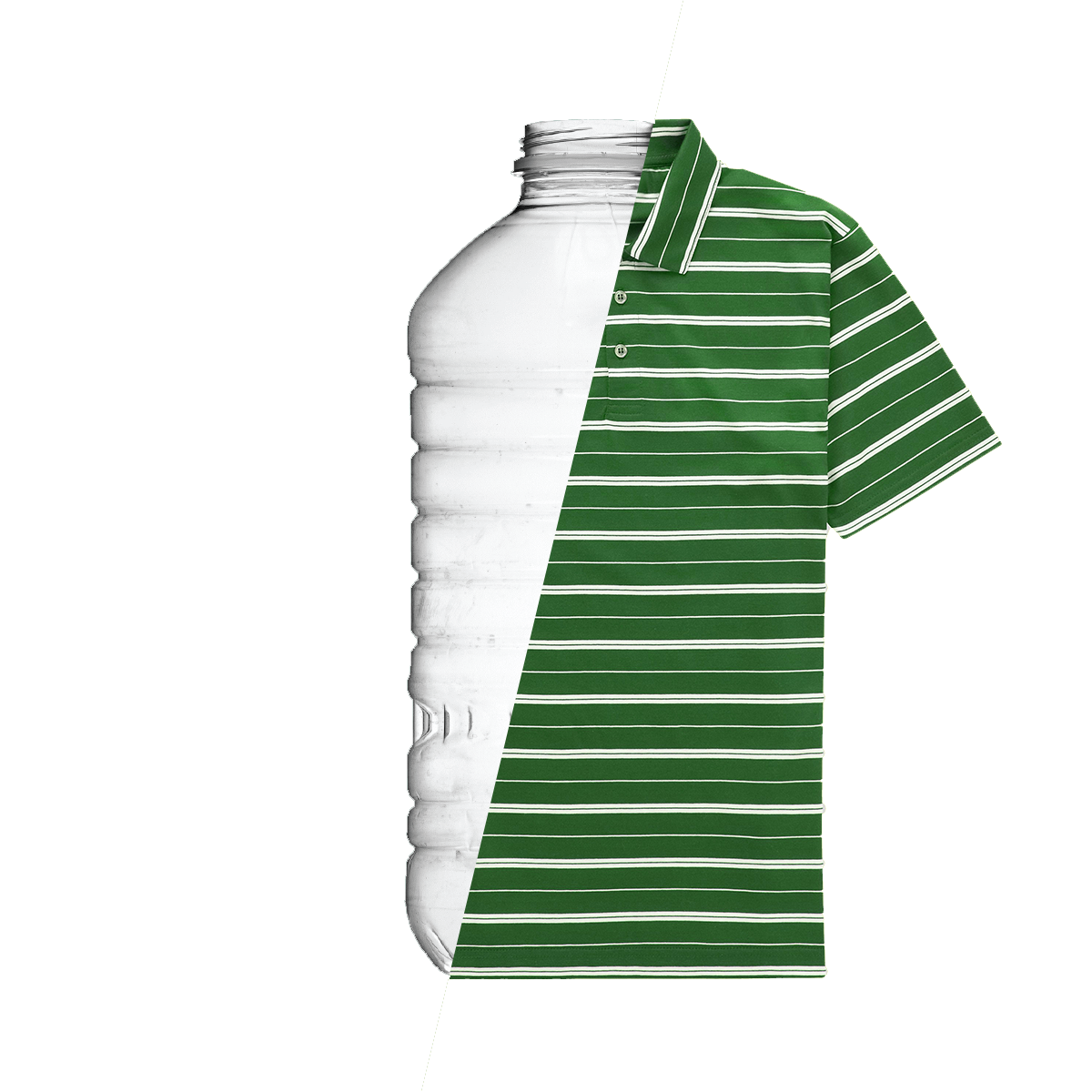
Half a clear plastic bottle, half a green striped polo shirt.
Carpet

Plastic jugs can be feedstock for new carpet.
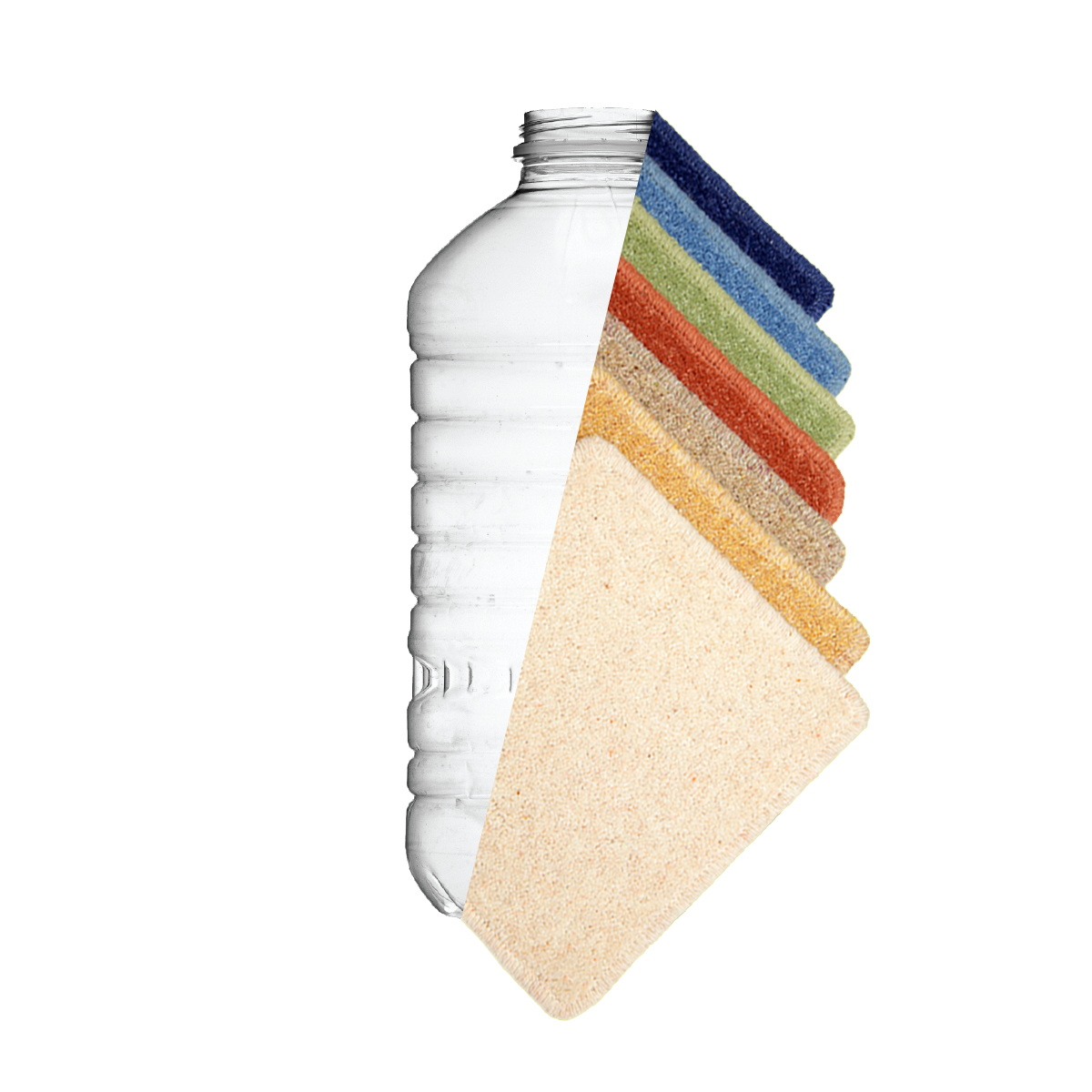
A clear plastic bottle merging into a fan of colorful carpet samples.

Recycling Is Real

Wondering what everyday recyclables turn into after they're collected? Take a guess and answer all 3 questions to unlock the form and submit your entry.
Question 1 of 3

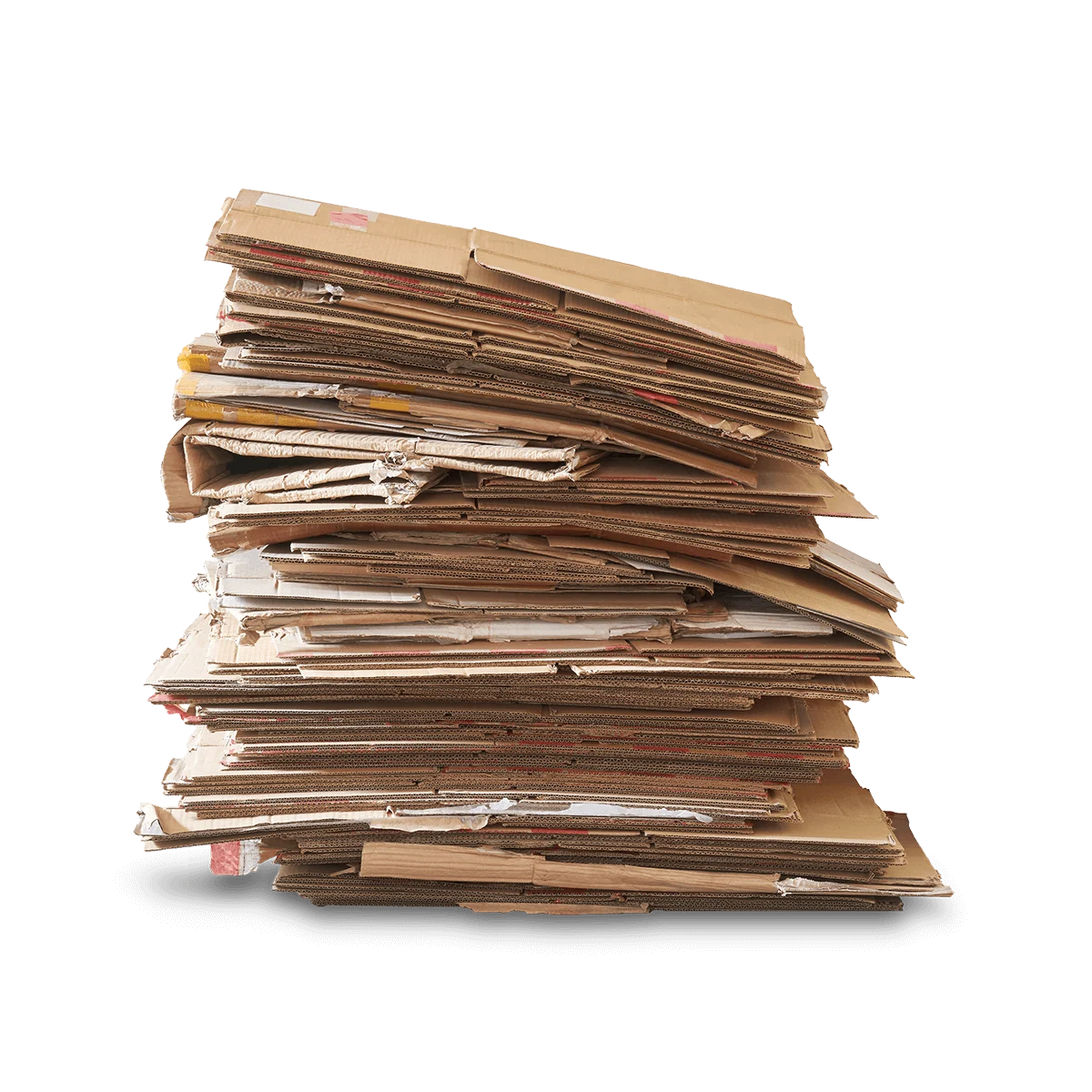
Q: What can cardboard packaging turn into when recycled?

An uneven stack of waste corrugated cardboard.

**Recyclable items vary by location. Check local programs to find out what is accepted for recycling in your area.

Visit Recycle Right to learn more about becoming a recycling expert in your community.

Plastics Recycling FAQs

Read answers to common questions and misinformation about plastics recycling.

Plastics Recycling FAQs

Read answers to common questions and misinformation about plastics recycling.

Generally yes, so long as your plastic materials are clean, dry and free of food and liquids and a plastic that is recyclable in your area. Plastic bottles, tubs and jugs are some of the most recycled items that WM receives from households like yours. In 2022, WM managed over 464,000 tons of plastic materials, including those collected on our curbside routes. These materials can be turned into new bottles & containers, clothing, carpet, agricultural tubing, paint cans, and even new recycling bins.

By recycling materials rather than sending them to a landfill, you can help recover untapped value from materials that were destined for disposal, as well as reduce the need to mine or manufacture virgin materials for products. The more plastic bottles, tubs, jugs and jars you recycle, the more we can keep these materials in the circular economy, together.

No. Hoses, shower curtains, swing sets, etc. are made with plastic but include other materials so they are not recyclable. If it is not a “bottle, tub, jug or jar” it probably doesn’t belong in your mixed recycling container. In addition, only certain bottles, tubs, jugs or jars may be recycled in your area depending on the material. Just because an item is made from plastic, or contains plastic parts, doesn’t mean recycling facilities can handle it. It may even require special handling. Always check local programs to confirm what's recyclable in your area.

Additionally, materials like hoses or cords, which we in the industry refer to as “tanglers,” can create safety and operational hazards because they can damage equipment. Refer to your local municipal website to help answer questions about what to do with non-recyclables or household hazardous waste.

Your mixed recyclables are collected and transported through a “hub and spoke” network, where it ultimately arrives at a recycling facility “hub”. There, recyclables are unloaded and placed onto to a conveyor belt. Equipment and people work together to sort cans, containers, and bottles from paper and cardboard. Sorted materials are baled and shipped to manufacturers, where they can be used as feedstock for new products.

Explore our Recycling 101 resources to learn more about what recycling is and how to recycle.

Yes. WM believes that the demand for recycled materials is growing. Several U.S. states have recently passed minimum-recycled-content mandates, and many companies are responding to customer demand for recycled content to meet their sustainability targets. For example, in California, manufacturers of plastic beverage containers must use at least 50% post-consumer resin in their bottles by 2030. In 2022 the requirement was 15% before it was raised to 25% for 2025.

The recycling process begins when manufacturers demonstrate demand for recyclable materials, which leads companies like WM to build the infrastructure to collect and process them. This complex cycle is complete only when materials are converted into new products that can be used again.

At home: You can make a positive impact from home by recycling your empty and clean plastic bottles, tubs, jugs and jars. Take what you’ve learned here today and share it with the people in your household.

If you do not have a recycling program at home, there are many free and convenient WM recycling drop-off locations across the U.S.

In your community: If you already recycle all you can, share what you’ve learned here today with a friend, family member or classroom. People are most likely to start recycling (or start recycling correctly) when they learn more about it from someone they trust, like you.

Another thing you can do is to tell your elected official you support recycling and recycled content mandates in your community. A recycled content mandate requires manufacturers to use a required percentage of post-consumer recycled material in their products. This helps encourage companies to rethink the way they design, use, and reuse plastics to create a path towards a circular economy in North America.

At work: Make a positive impact by starting a plastics recycling program at work. If you already have one, work with your supply chain team to purchase more products with post-consumer recycled content (PCR) to stimulate the circular economy with your business.

Explore our environmental stewardship initiatives, learn how WM continues its leadership in sustainability, and join us in creating a positive impact through efficient and accessible recycling practices.

In pursuit of our intention to recycle materials with responsible domestic end markets, WM generally does not export plastics outside of North America that are collected on WM’s residential routes and processed in WM single-stream recycling facilities, except in very limited circumstances when no other commercially viable domestic end markets are available.

To enhance the positive impact of plastic recycling, WM set an enterprise-wide goal to increase our recovery of recyclable materials to 25 million annual tons by 2030 (a 60% increase above WM’s recovery of materials in 2021). To help meet this goal, WM plans to invest over $1.4 billion in new and upgraded recycling technology and infrastructure between 2022 and 2026 to increase operation efficiency and inbound capacity, as well as to provide increased access to recycling in new markets. Our goal is to recover as much from recycling stream as possible in an effort to create high quality commodities for companies that use recycled materials to make new products, including plastic bottles, tubs, and jugs.

Waste Management (WM) logo.

Products & Services

Residential Garbage & Recycling Pickup

Commercial Trash & Recycling Service

Roll-Off Dumpster Rentals

Bulk Pickup

Construction Waste Disposal

Bagster® - Dumpster in a Bag

eWaste

National Accounts

Moving In?

Customer Support

Pay My Bill

Billing & Invoice Help

Manage My Account

Log into MyWM

Customer Support

Request Extra Pickup

Report Missed Pickup

WM.com Security

Quick Info

Recycling 101

Our Service Areas

Find a Facility

10 Yard Dumpster

20 Yard Dumpster

30 Yard Dumpster

Holiday Schedule

Our Company

Who We Are

Media Room

WM Phoenix Open

Sustainability Report

Work With Us

Careers

Investors

Suppliers

Acquisitions & Divestitures

Former Employee HR Support

© 2026 WM Intellectual Property Holdings, LLC.

California Privacy Notice

Privacy Policy

Terms of Use

Service Terms & Conditions

Disputes/Arbitration

Accessibility

Sitemap

© 2026 WM Intellectual Property Holdings, LLC.

California Privacy Notice

Privacy Policy

Terms of Use

Service Terms & Conditions

Disputes/Arbitration

Accessibility

Sitemap

© 2026 WM Intellectual Property Holdings, LLC.

California Privacy Notice

Privacy Policy

Terms of Use

Service Terms & Conditions

Disputes/Arbitration

Accessibility

Sitemap