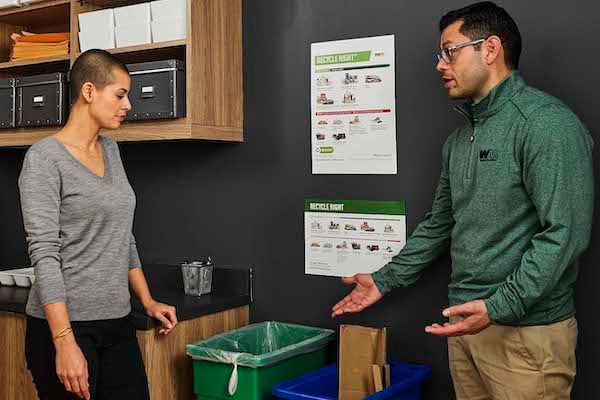
From residents to businesses to jurisdictions, WM provides solutions and resources to help our customers meet SB 1383 requirements.
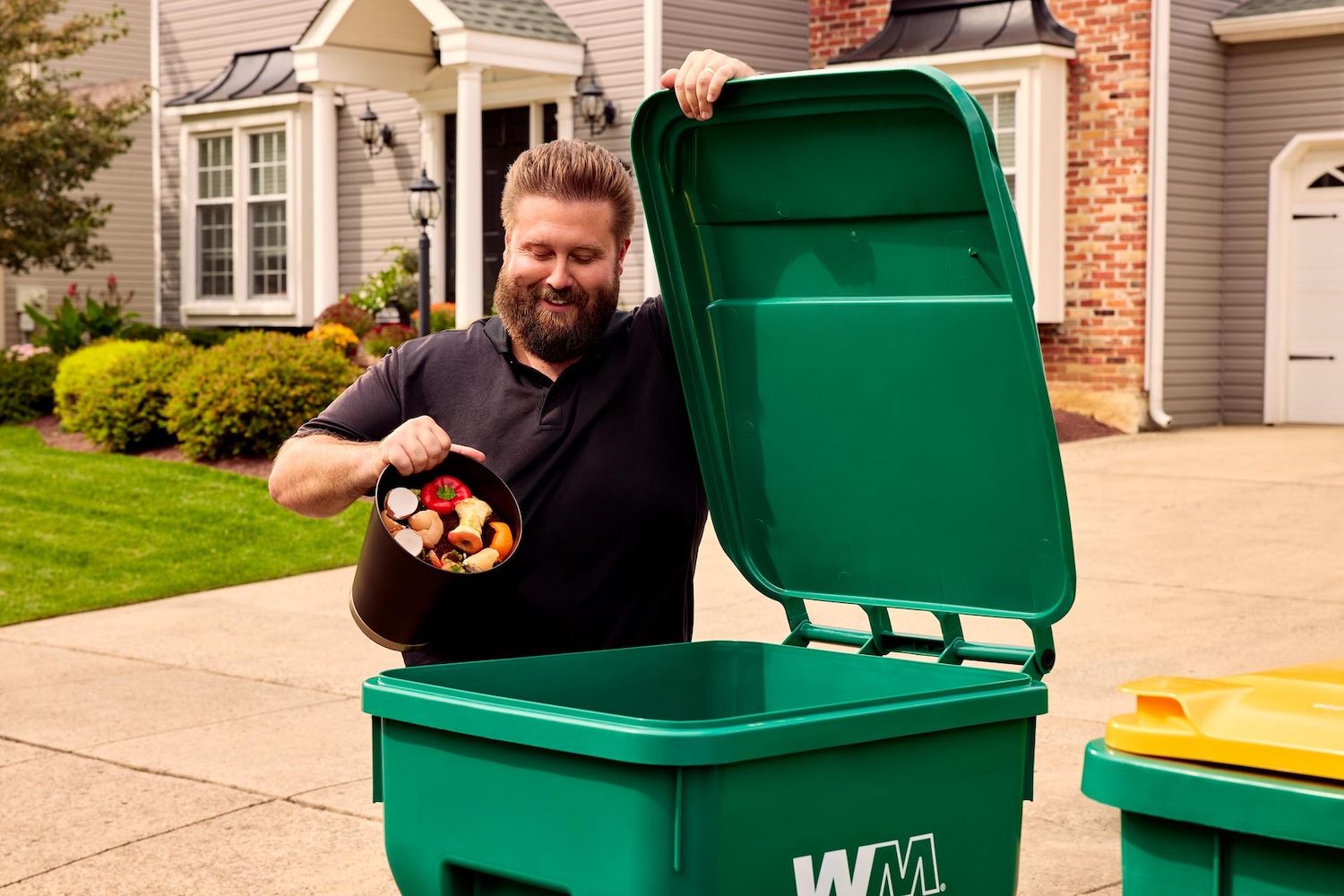
Organic waste, like food scraps and yard trimmings, account for almost half of what Californians throw in the trash. The breakdown of organic waste in landfills contributes to methane climate pollution, which is 84 times more potent than carbon dioxide.
SB 1383 was passed to decrease methane emissions and slow the effects of climate change through mandatory organics recycling and edible food recovery. The goal of SB 1383 is to reduce organic waste sent to landfills by 75% and increase the recovery of edible food to 20% by 2050 (vs. 2014).
To learn more, visit the California Department of Resources Recycling and Recovery (CalRecycle) website.
SB 1383 requires residents and businesses to sort and recycle food scraps, yard debris, and food-soiled paper and to subscribe to an organics waste collection service. In addition, food service businessess must donate unsold and edible food to food recovery organizations and jurisdictions must meet procurement targets and reporting requirements.
WM can help you meet these and other SB 1383 requirements. Our experts will work with you to set up and right-size your organics collection service, provide education to minimize contamination and through our extensive network of facilities, provide high-quality compost and mulch products you can count on.
We're teaming up with the city of Lancaster and local business to turn SB 1383 compliance into a community success story. Through the Sustainability All Stars Program, businesses are recognized for leadership in organic recycling and food recovery. It's a powerful example of what happens when we work together toward a sustainable future.
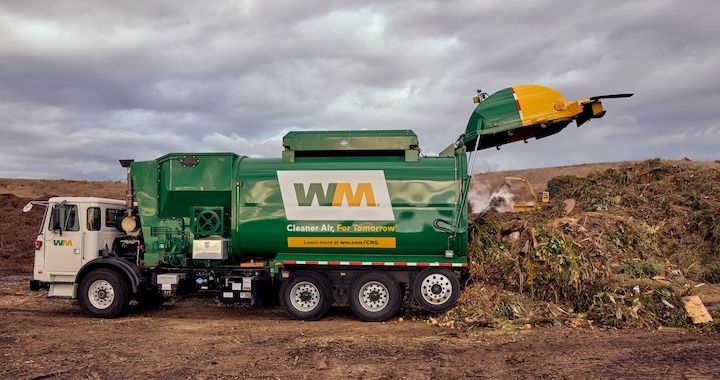
WM is the leading provider of composted soil amendment and mulch products in California, managing more than 1.4 million tons of organics each year.
WM can assist local jurisdictions with monitoring and enforcing contamination regulations for organics, recycling and trash carts.

WM continues to invest in our facilities, fleet, technologies and partnerships to ensure a seamless process for compliance and ample capacity to process organics.
SB 1383 requires California businesses to subscribe to an organics collection service where they need to separate green waste, food scraps, and food-soiled paper into their green organics container.
WM can help determine the right container size and collection frequency to meet your organics recycling needs.
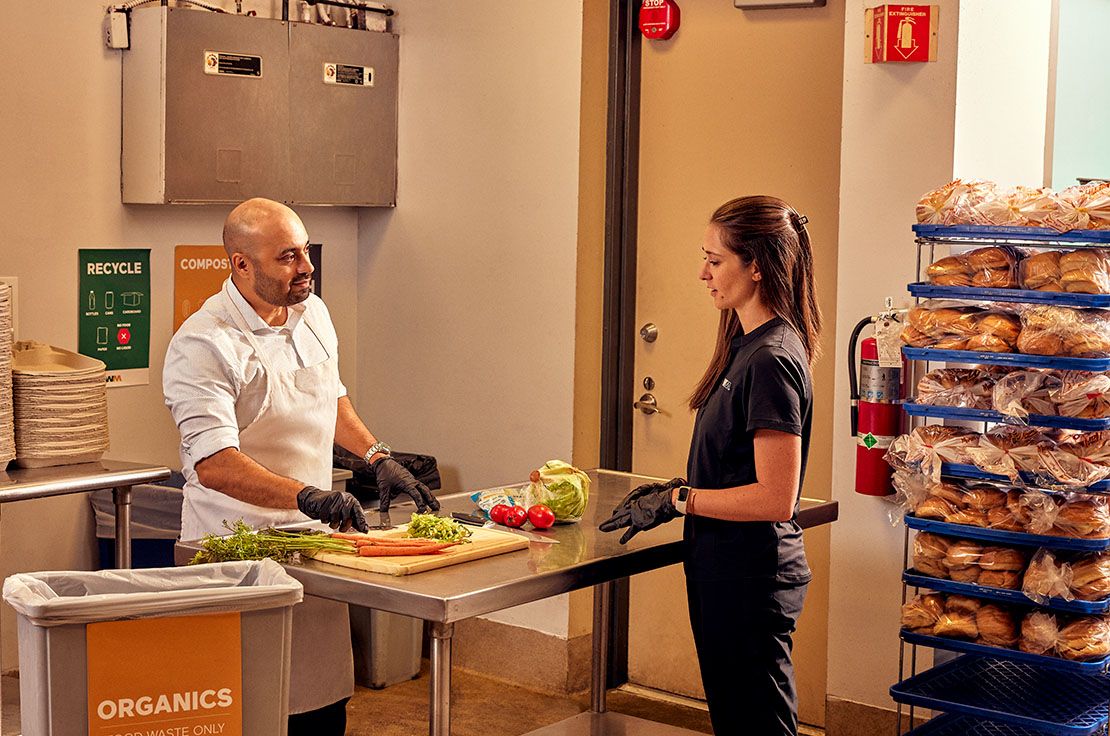
Whether you live in a single-family home or multi-family complex, you need to separate food waste, yard waste and food-soiled paper. These items needs to be placed into your green container.
WM provides educational materials to help residents correctly sort their organics waste. We also provide signage and assistance to property managers to help employees and tenants sort materials correctly.
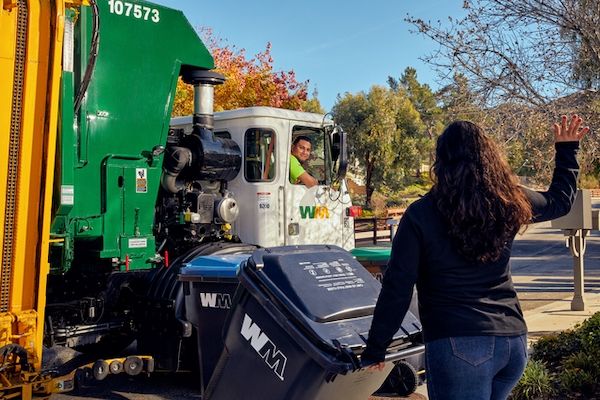
To comply with SB 1383, cities and counties need to implement organic waste collection programs, procure recovered organic materials, and provide education and reporting.
WM has successfully helped many of our municipal customers meet SB 1383 requirements and can help your jurisdiction meet the requirements as well.