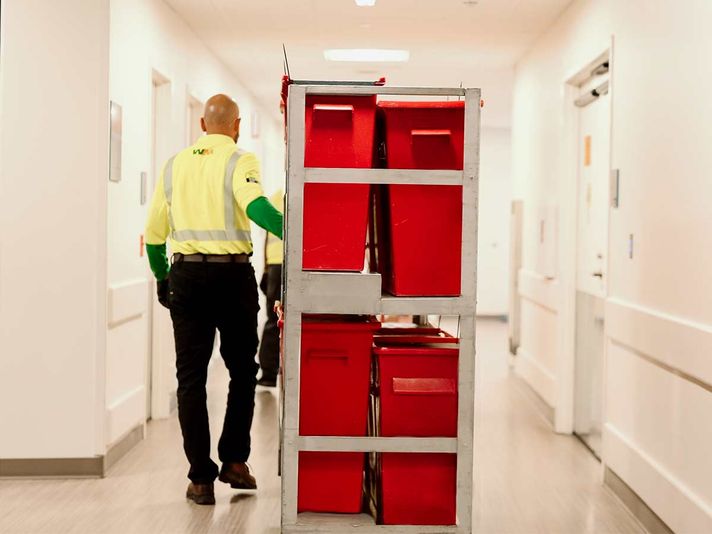
The best practices for pharmaceutical waste management focus on ensuring safety, compliance, and environmental protection. Healthcare facilities can follow or work with someone who follows these best practices:
Accurately identify and characterize pharmaceutical waste: Determine whether each medication is hazardous, non‑hazardous, controlled, or subject to state‑specific classifications. Proper characterization is the foundation for compliant segregation and disposal.
Segregate waste into the correct containers: Use clearly labeled, color‑coded, and compliant containers for hazardous pharmaceuticals, non‑hazardous medications, and controlled substance wastage. Correct segregation helps reduce risk, prevent overclassification, and lower disposal costs.
Implement staff training and ongoing education: Ensure all employees who handle medications understand how to identify waste types, use containers correctly, and follow internal disposal procedures. Refresher training should be provided regularly to maintain compliance.
Follow compliant packaging, labeling, and storage procedures: Use compatible containers, keep them closed when not in use, and adhere to regulatory storage time limits. Proper labeling prevents misclassification and helps meet regulatory expectations.
Maintain proper documentation and shipping records: Track and document pharmaceutical waste through compliant manifests and shipping papers. Retain records for the required period to support audits and regulatory inspections.
Prevent controlled substance diversion: Use secure, one‑way disposal systems to deactivate and deter misuse of controlled substance wastage immediately after administration. Clear internal policies and secure workflows reduce diversion risk.
Provide safe medication disposal options for patients: Offer medication collection kiosks or mail‑back envelopes to keep unused medications out of homes, landfills, and wastewater systems.
Monitor waste volumes and adjust processes for efficiency: Routine audits, waste tracking, and aftercare support can identify opportunities to improve segregation accuracy, increase sustainability, and reduce costs.