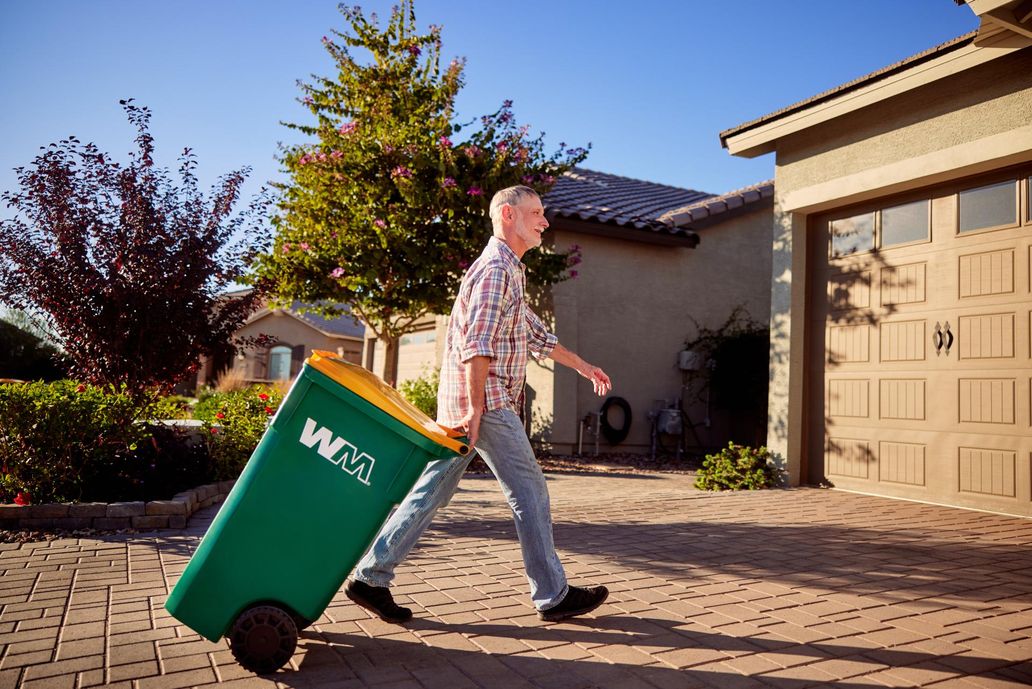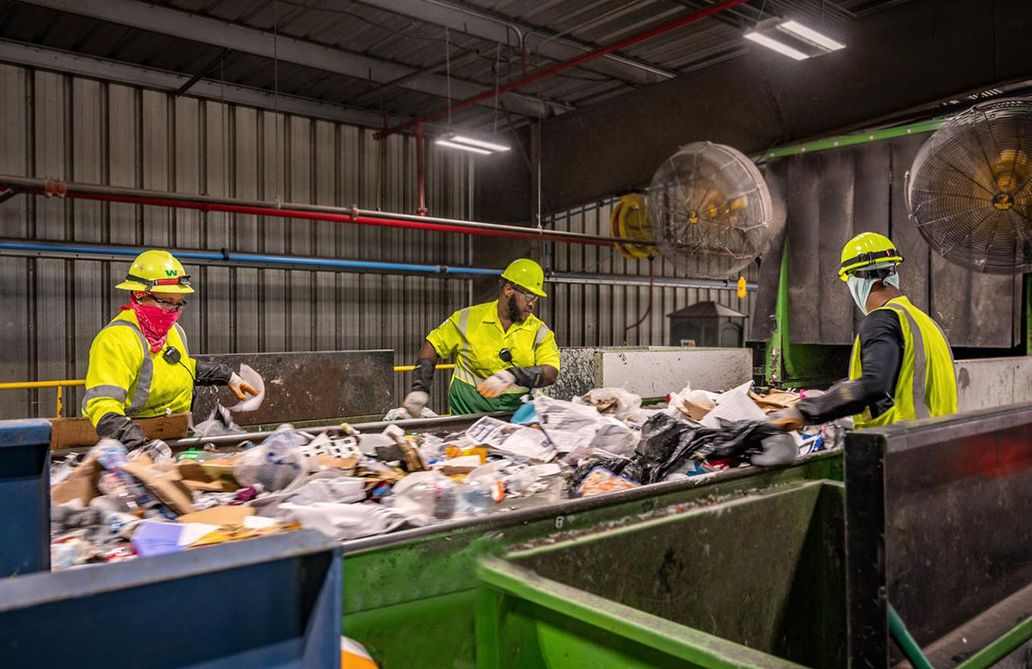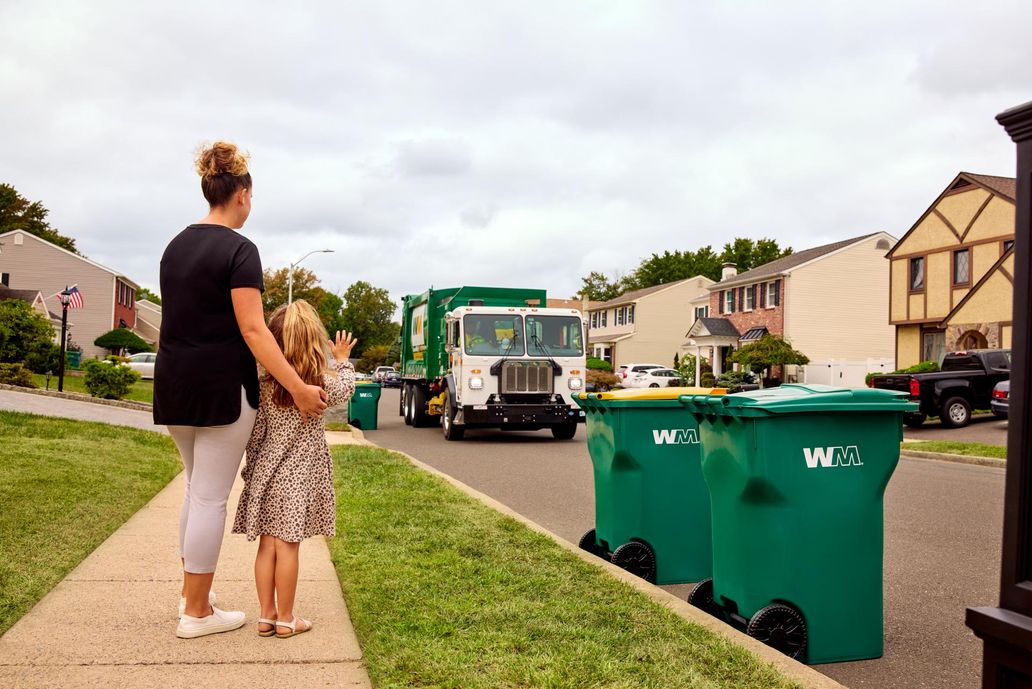
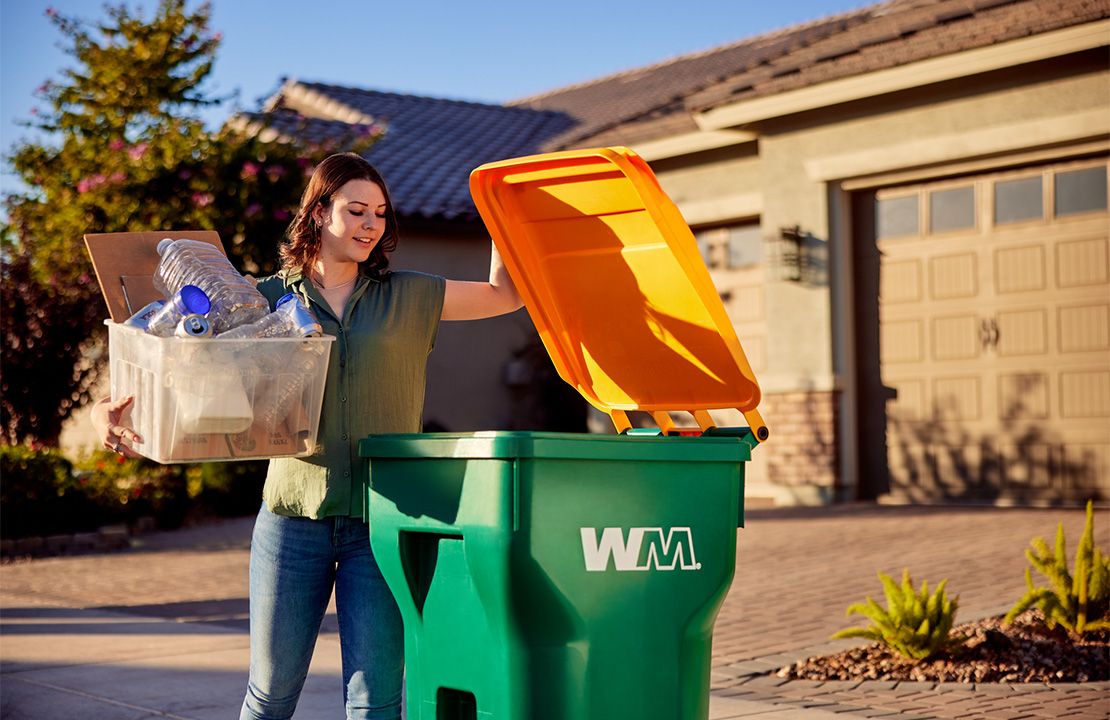
Recycling is one of the simplest ways to make an impact. Every bottle, can, box and container recycled correctly has the potential to become something new.
This America Recycles Day, take the I Recycle pledge and join thousands of others committed to making recycling work better for our communities and our future.
Take the pledge, test your recycling knowledge and enter for a chance to win VIP tickets to the 2028 WM Phoenix Open.*
The grand prize winner will receive:
*NO PURCHASE NECESSARY. Limit one (1) entry per person. Must be U.S. resident, 21 or older. Quiz answers do not determine winners. See Official Rules for complete details.

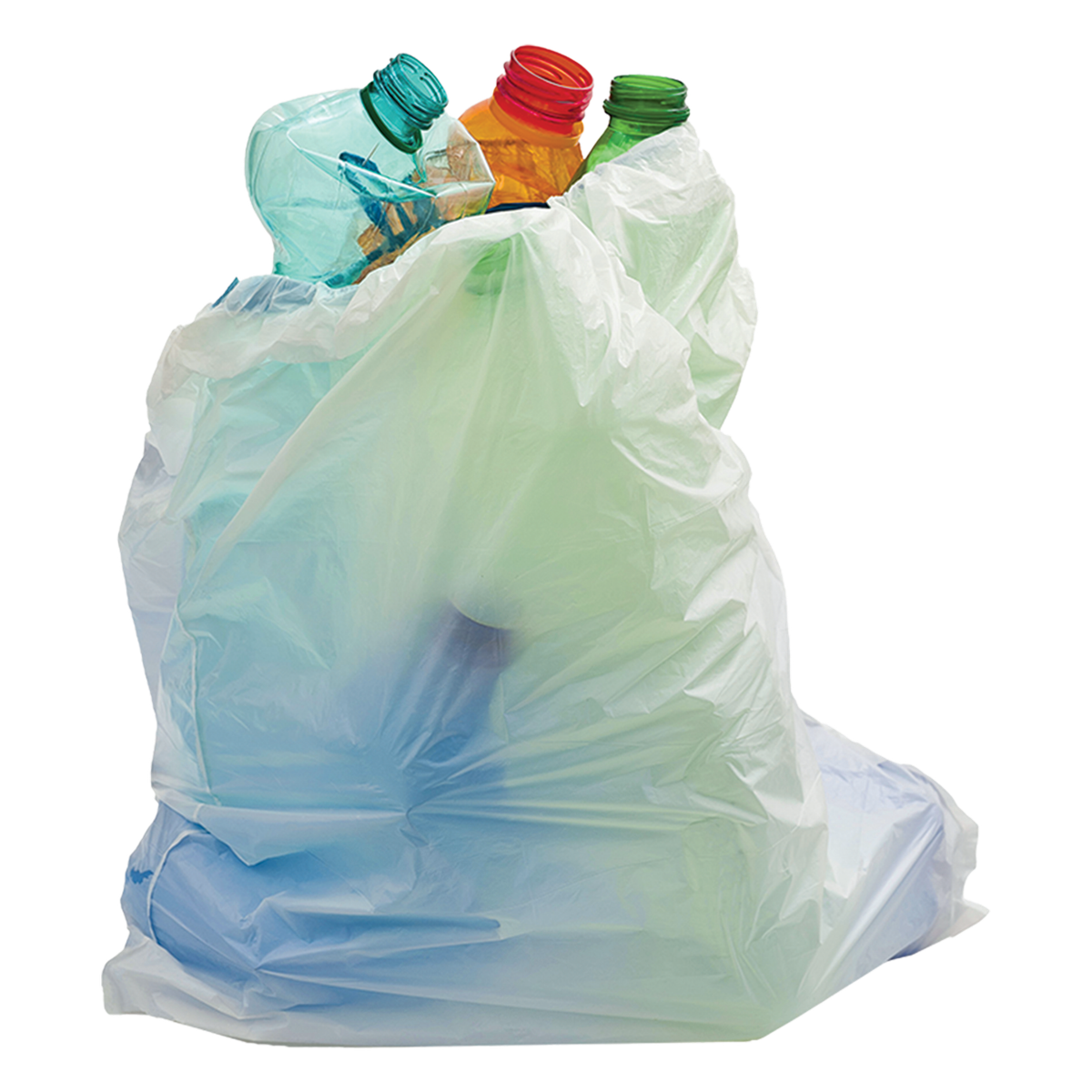
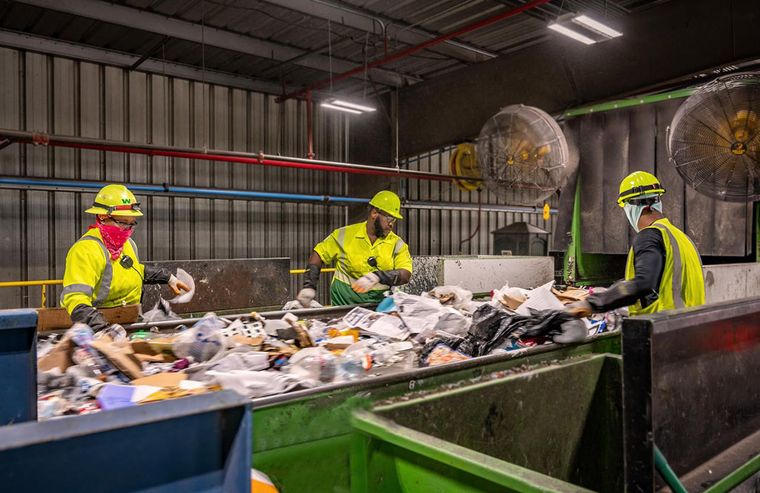
Get tips to simplify recycling at your home or business and learn how recycling works.
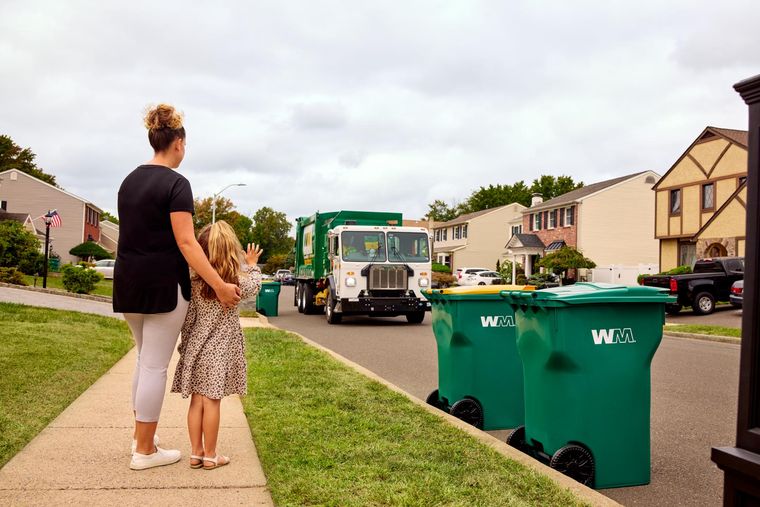
Learn more about recycling with our downloadable guides, posters, kids' activities, and more.
Download recycling guides and posters and explore more ways to make recycling a regular habit in your home and community.
Recycling 101
Learn which materials go into your recycling container and which do not.
Become the expert and uncover the truth about common recycling myths.
Find out which items cause recycling contamination and what to do with them instead.
Learn more about the benefits of recycling and find the recycling rules.
Simplify your recycling process with these simple rules.
Recycling Resources For Kids
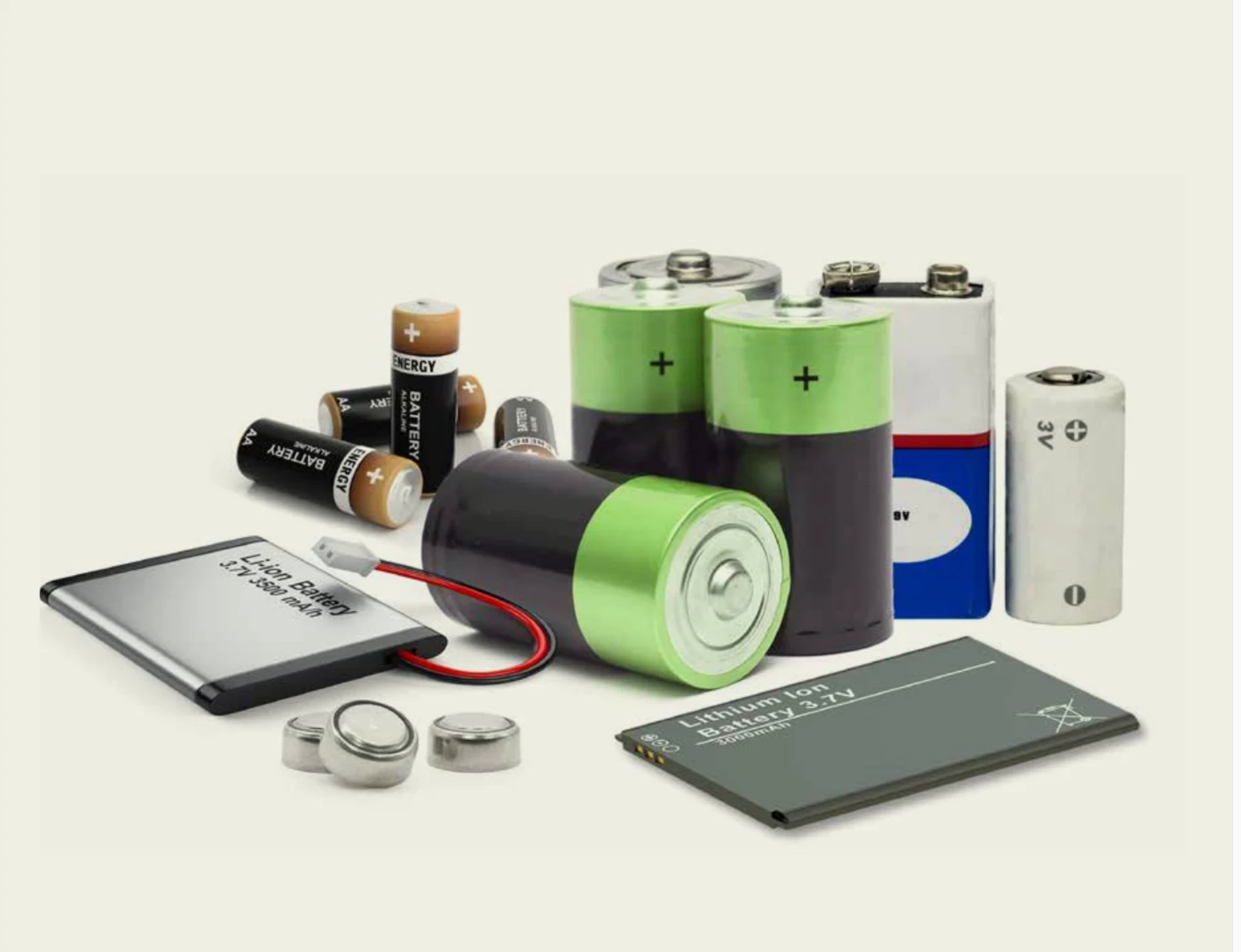
The addition of a fourth simple rule to the Recycle Right® program reflects a growing safety concern.
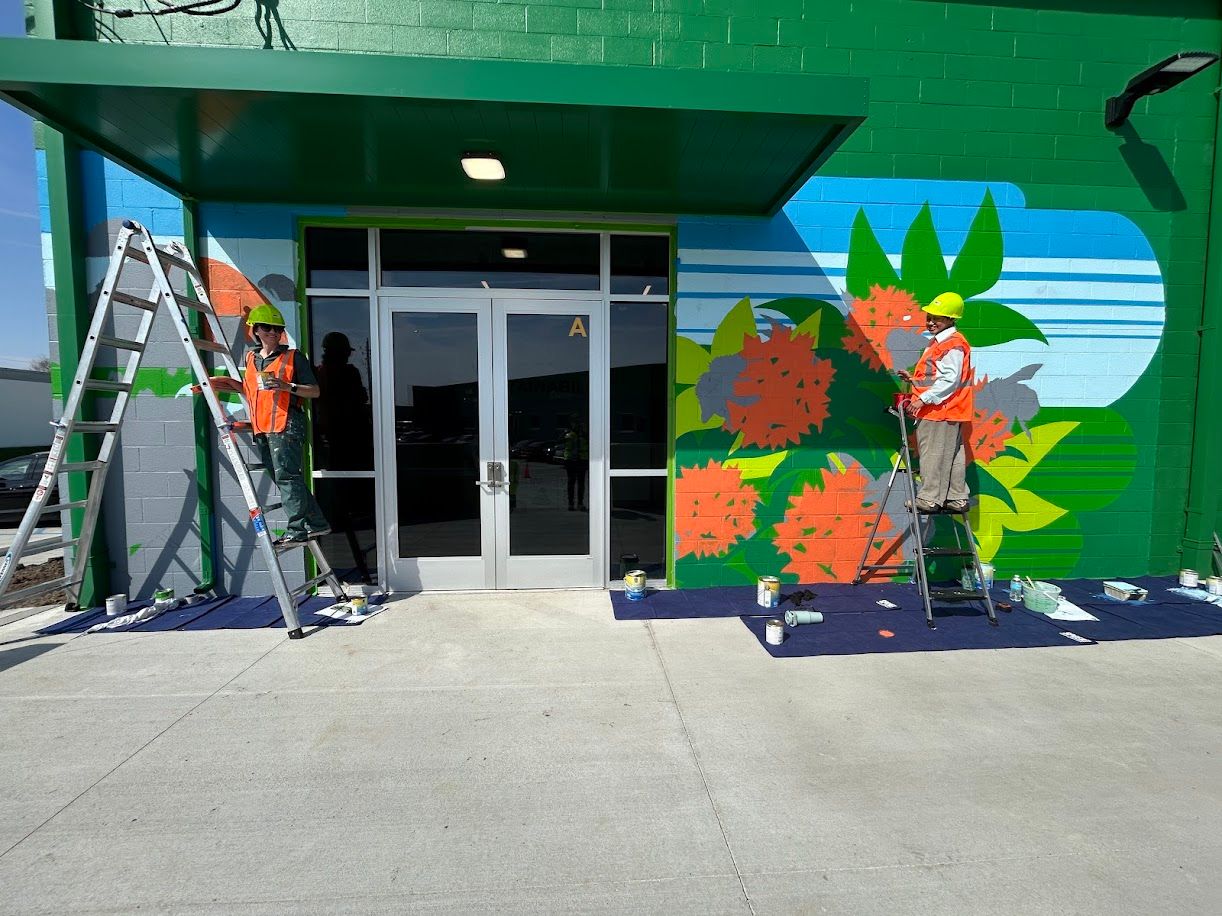
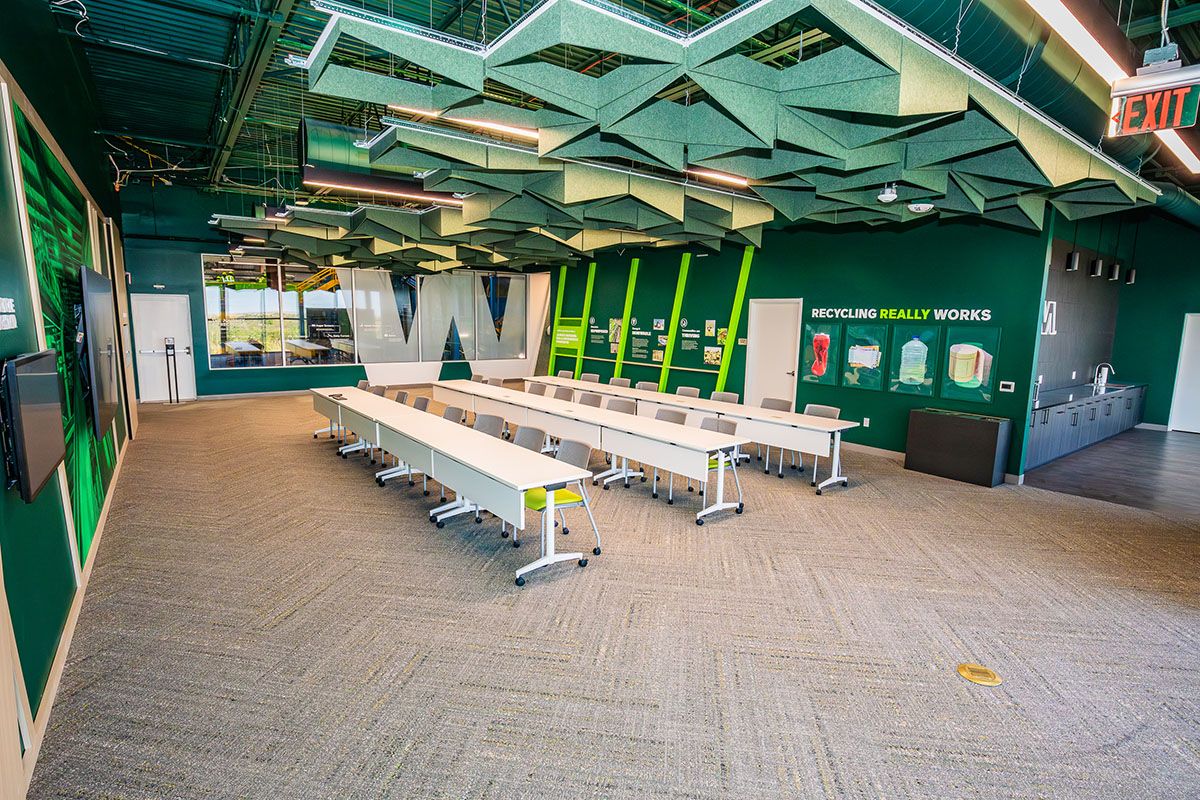
Public art at WM’s new education center brings sustainability lessons to life.
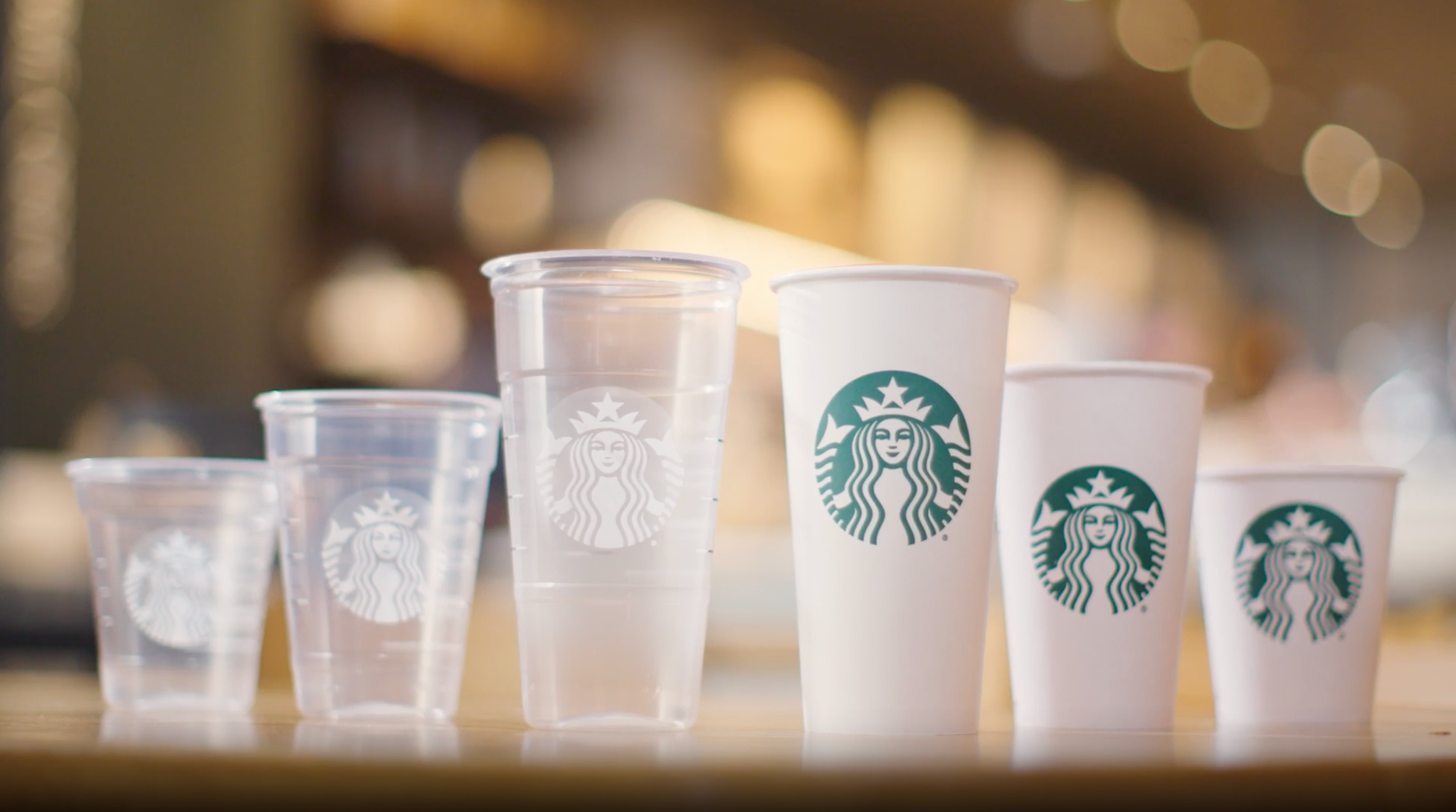
Plastic cold beverage cups—the kind used by many retailers for to‑go drinks, including Starbucks—have officially earned the Widely Recyclable designation from How2Recycle®, North America’s most recognized on‑pack recycling label.
Now in its second year, the annual WM Recycling Report gives us a deeper look at how Americans feel about recycling – and what actually happens in practice
An inside look at how WM is integrating education into its recycling facilites.
The most common recyclables are:
Plastic items like bottles, milk jugs, tubs and containers with caps and lids attached.
Metal items like cans made of aluminum, steel and tin.
Paper and cardboard items like newspapers and magazines, paper mail and junk mail, food boxes and cardboard boxes.
Glass items like bottles and jars.