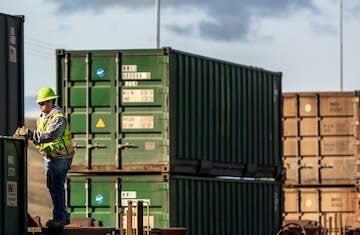
A Nationwide Network
Our unmatched reach lets us provide service solutions for moving virtually any volume of solid or liquid waste whether it’s hazardous waste or special/regulated waste.
With hands-on experience and strategic partnerships throughout the transportation industry, we can help get your project started. With ready access to barges, trucking and a variety of rail cars, we can design a transportation logistics solution for virtually any type of waste.
Whether it's a large soil remediation project, a major river dredge that requires an open-deck barge or intermodal rail containers with municipal solid waste (MSW), your waste will be loaded and shipped using one of the most experienced and proven logistics teams in the waste industry.
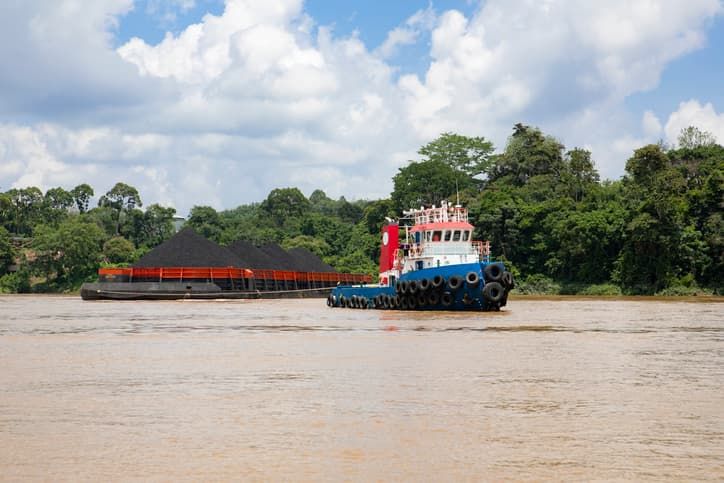
Our access to marine vehicles, powerful tugs, cranes, and ancillary items allows us to provide turnkey transportation services to handle the scope of virtually any marine project.
Whether your project is located within US maritime boundaries or requires international transport and handling, look to WM for a timely, well-executed and safe solution.
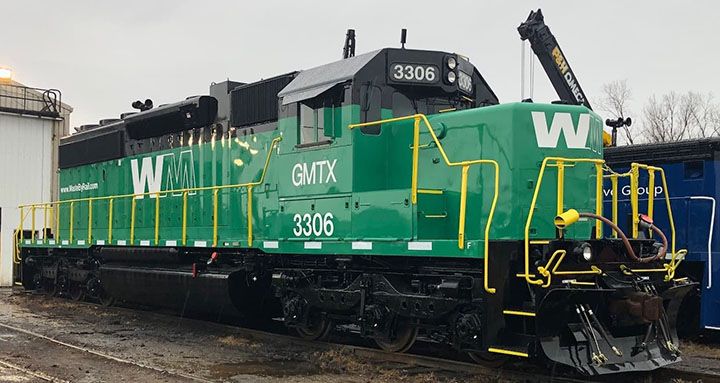
WM's network of rail options stretches across the United States ensuring your needs are met regardless of location.
For projects requiring rail services without immediate on-site access to rail, we coordinate trucks and intermodal rail containers with municipal, private or other third-party haulers to meet your needs for non-hazardous and/or hazardous waste.
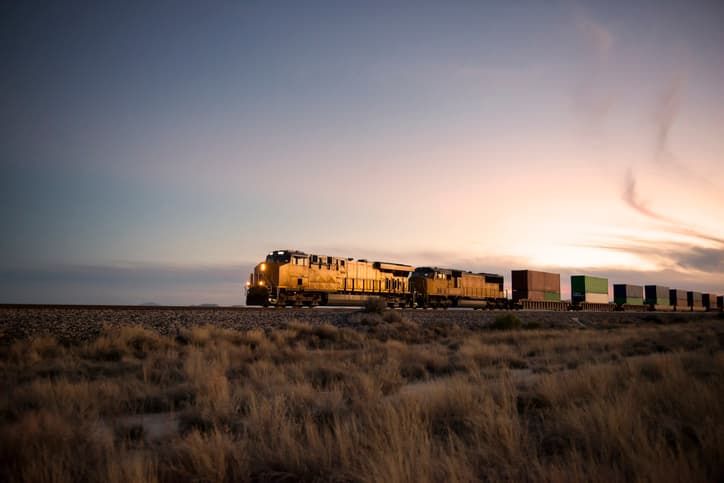
Whether you need help managing outbound logistics or unexpected snags, our experienced team of rail professionals will come to your location and deliver the support you need to design and execute a safe and cost-effective removal.
We will also help you comply with current regulations and cope with any import/export issues.
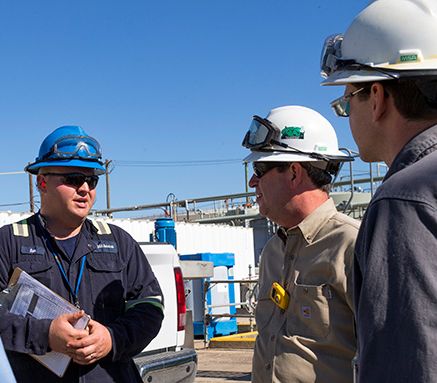
We can handle soils and other media contaminated with hazardous wastes including petrochemical hydrocarbons, solvents, pesticides, lead and other heavy metals, and more.
Our experts work with your facility management to develop a practical and cost-efficient plan that creates minimal impediments to your operations. WM uses a variety of processes for hazardous waste disposal, including: thermal treatment, microencapsulation, macroencapsulation, bioremediation, stabilization, aqueous treatment, PCB disposal, and drum management services.
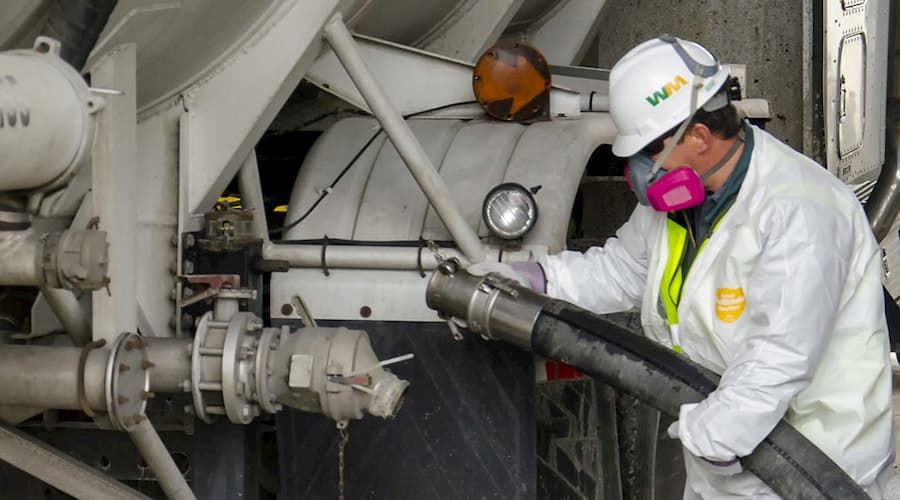
Waste can be brought to designated railheads by open-top dump trailers using either WM fleet trucks or third-party carriers. Waste is then transferred from the truck to 108-110 ton gondolas for long-distance transport. The cost of rail transport can often be a fraction of the cost of end-dump long hauls.
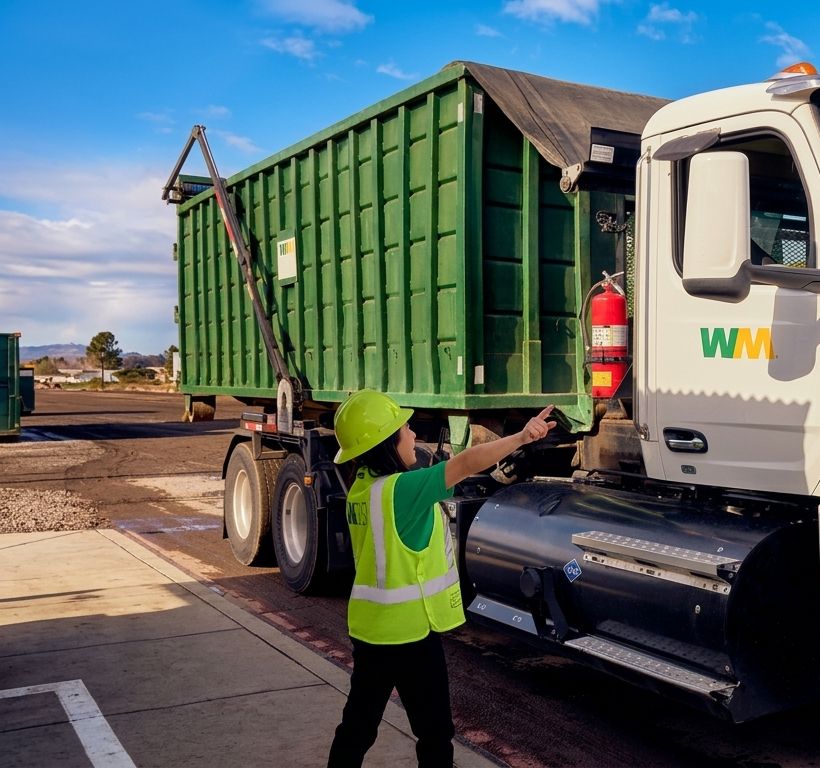
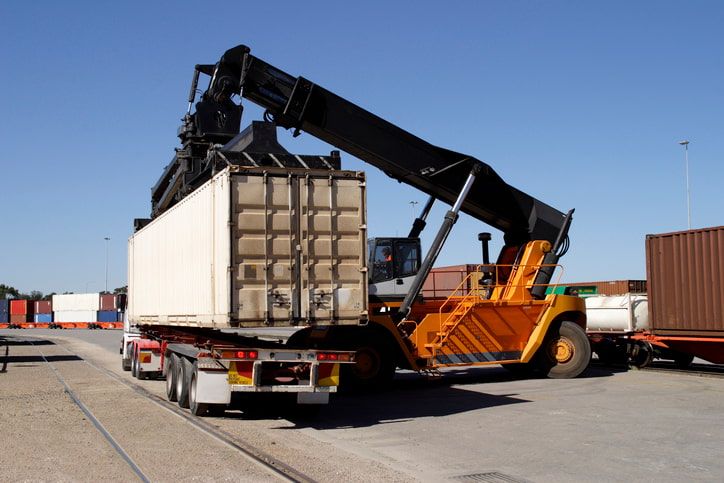
Available in various sizes and shapes, these multi-functional containers can be loaded at the point of waste generation and transported via truck to the nearest rail yard for transit. Intermodal containers are often used to transport compacted or non-compacted construction and demolition debris, municipal solid wastes, special wastes and palletized waste drums.
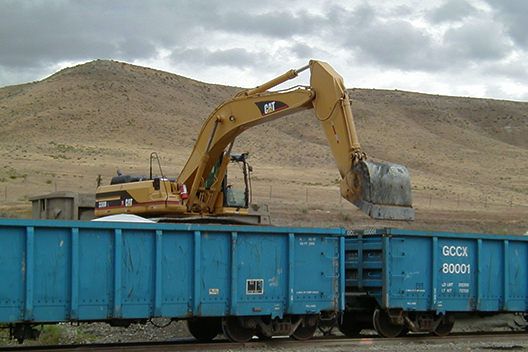
Open-top rail cars are typically used to haul bulk materials like contaminated soils, recycled glass or other bulk waste. The payload of an average gondola car is 100 tons. Several WM landfills have spur lines that can accommodate gondolas, reducing the relative cost of truck transportation. Additionally, WM has an inventory of full “unit trains” that can be shipped from point of origin directly to the disposal destination. A gondola car can often transport more than 5 end dump equivalents, reducing remediation and project management costs.
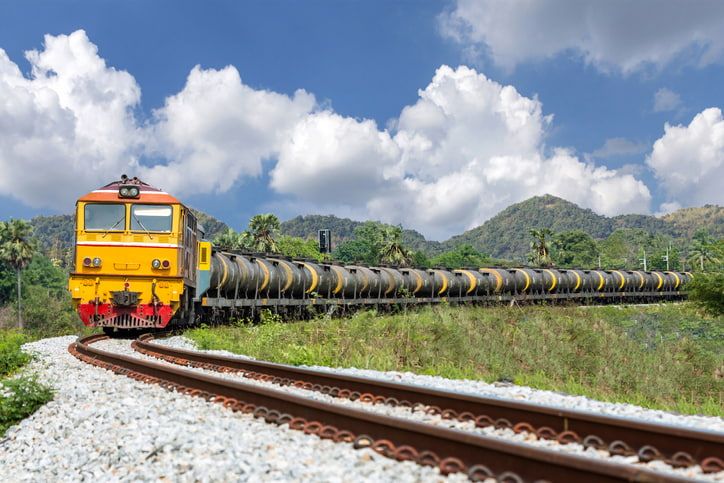
Tank cars are available in two basic types: liquid tank cars for safe containment and transport of free-flowing liquids, and bulk tank cars used to contain and transport fine solids, such as ash, dust and sand.
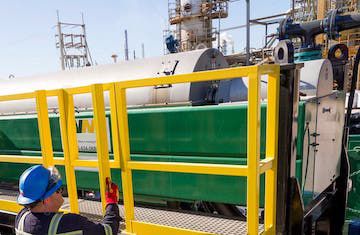
WM was contracted by one of the nation’s largest oil refineries to manage and dispose of their centrifuge solids.
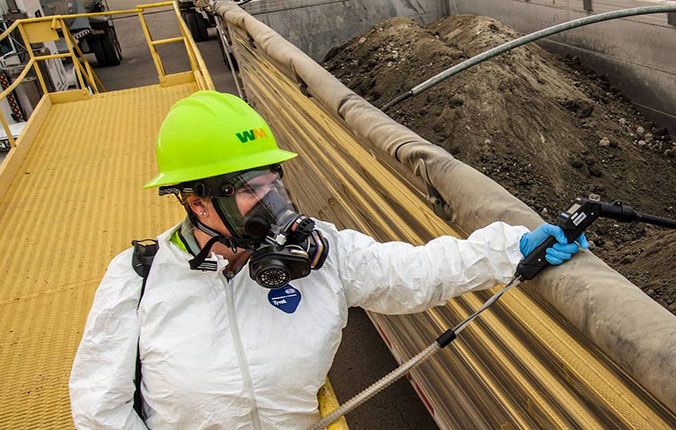
A major port city in the Pacific Northwest performed dredging activities as part of a remedial event. Due to the presence of dioxins, the work was conducted between the state and the port city.