Segregation
WM specializes in the end-to-end disposal of all wastes that may be described as regulated medical waste, biohazardous medical waste, biomedical waste and other potentially infectious materials (OPIM) for facilities of all sizes.

Expertise You Can Trust
With over 35 years of experience, we continue to serve facilities of all sizes, and specialize in the compliant collection, transportation, treatment, and disposal of medical waste.
Easy, Online Account Management
Our Biomedical Waste Disposal service provides 24/7 access to our Customer Portal where you can easily manage your pickup schedule and make payments.
Flexible Scheduling and Tracking Infrastructure to Give You Peace of Mind
Our operations are designed to deliver convenience, with minimal intrusion into your busy schedule. With more than 460 locations and 6,000+ trucks, we can meet your business needs no matter where you are.
We partner with you through the biomedical waste lifecycle to ensure that the waste is packaged, transported, and treated in accordance with all applicable regulations.
Segregation
Package & Labeling
Storage
Pickup & Documentation
Transportation

Treatment & Disposal

Records Retention
As an industry leader, WM understands the importance of compliantly managing the collection, transportation, treatment, and disposal of various types of waste as required by regulations in your province.
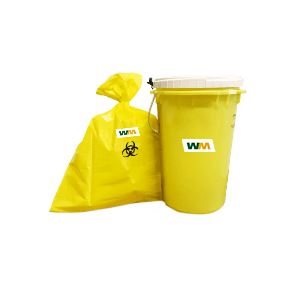
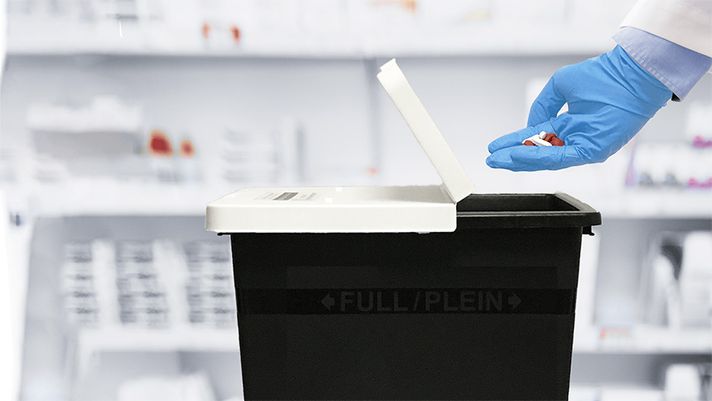
Non-Anatomical waste generated from procedures, including any items saturated with blood or other potentially infectious materials (OPIM), such as bandages, gauze, or personal protective equipment (PPE), are considered biomedical waste. They should be disposed of safely in yellow bags, placed in marked containers, and stored for pickup.
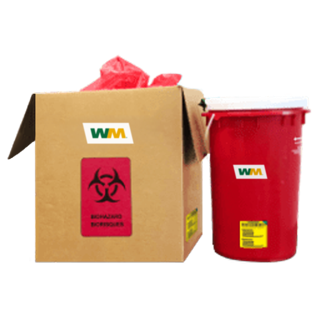
Anatomical waste such as human or animal tissues, organs or other body parts, other than teeth, hair or nails; and animal bedding or carcasses, should be packaged separately for pickup in red bags and placed in containers marked for incineration only.
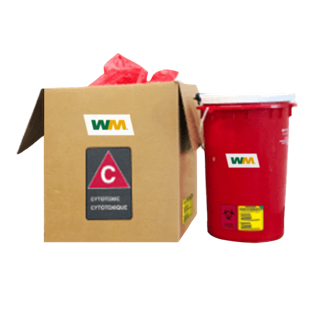
Cytotoxic waste is medical waste that has come into contact with cytotoxic agents used in chemotherapy, including empty chemo drug vials, syringes and needles, spill kits, IV tubing and bags, contaminated gloves and gowns, and materials from spill cleanups. This waste should be properly segregated, packaged in red bags, and labeled for safe pickup and disposal.
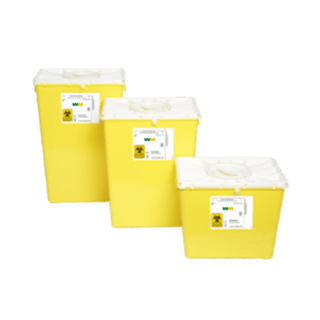
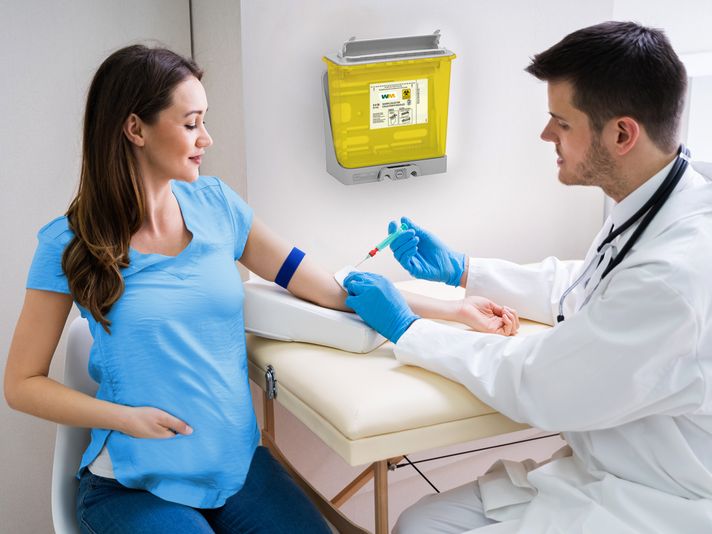
Sharps waste such as needles, scalpels, blades, and pipettes that have come in contact with blood, body fluids, or microorganisms should be disposed of in a designated sharps container to reduce needlestick injuries and keep employees safe. These containers should then be placed in your biomedical waste containers for safe and convenient pickup and disposal.
Learn More About Some of Our Other Solutions