WM is turning leftover food and yard trimmings into materials that positively impact the environment and economy.
Select your facility type below to see all of the locations.
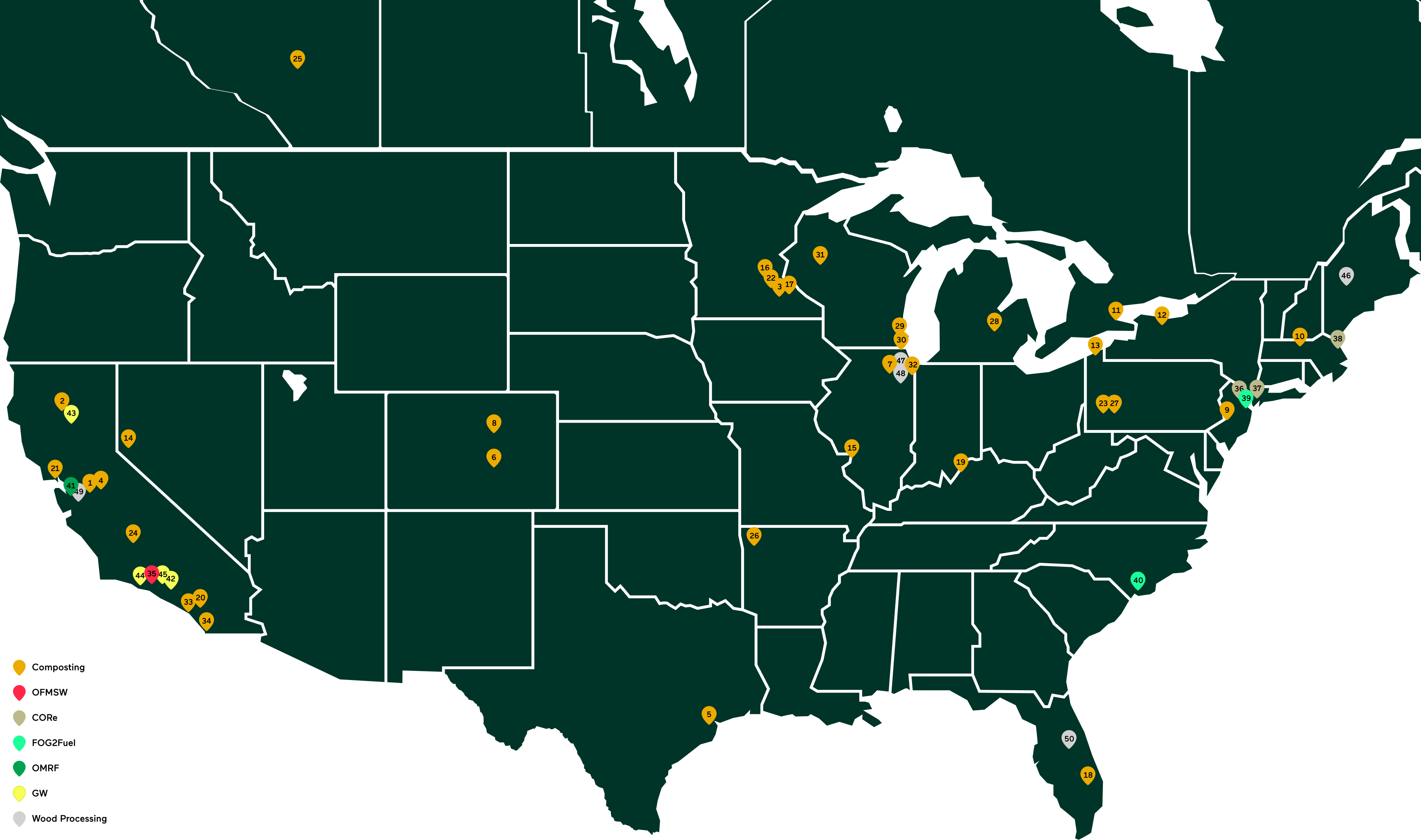
1. Altamont Resource Recovery Facility (CA)
2. Anderson (CA)
3. Burnsville (MN)
4. Central Valley (CA)
5. Coastal Plains (TX)
6. Midway (CO)
7. Dekalb County (IL)
8. Denver Arapahoe Disposal (DADS) (CO)
9. Fairless Hills (PA)
10. Fitchburg (MA)
11. Glanbrook (ON)
12. High Acres (NY)
13. Lake View (PA)
14. Lockwood (NV)
15. Milam (IL)
16. Minnetrista (MN)
17. Empire (MN)
18. Okeechobee (FL)
19. Outer Loop (KY)
20. Pala Regional (CA)
21. Redwood (CA)
22. Shakopee (MN)
23. South Hills (PA)
24. South Valley (CA)
25. Strathmore (AB)
26. Tontitown (AR)
27. Valley (PA)
28. Venice Park (MI)
29. Orchard Ridge (WI)
30. Pheasant Run (WI)
31. Timberline Trail (WI)
32. Willow Ranch (IL)
33. Oceanside (CA)
34. Otay (CA)
More than one-third of all food produced globally goes uneaten, and in the U.S., 60 million tons of food are wasted each year. Managing this material—along with yard waste and other organics—is essential.
WM is expanding the solution through our network of 50 organics facilities and collaborations with select partners. Together, we transform food and yard waste into compost and mulch, and refine organic material into low‑carbon biofuels.
By scaling these efforts, WM helps reduce emissions, recover valuable resources, and advance a more circular economy.
Solid waste is compostable food and yard waste, according to the EPA
Million tons of organic material is managed by WM every year
You may be familiar with personal composting and the benefits it yields right in your backyard. This time-tested process has numerous environmental benefits. WM is leading the way by developing advanced facilities that create high-quality compost and soil amendment products.
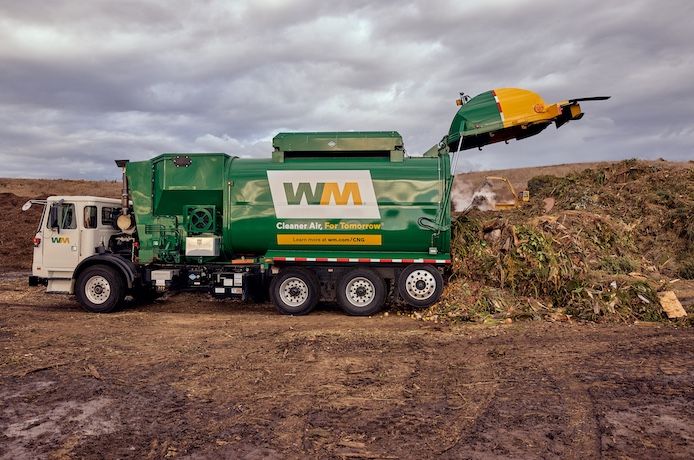
WM continues to expand its composting and organics recycling efforts—finding smart ways to return recovered materials back to the earth. At the El Corazon Compost facility, we produce mulch from yard trimmings and food waste and provide it to farms like The Flower Fields at Carlsbad Ranch®. This proprietary mulch mixture helps enrich the soil, improves water retention and reduces weeds and erosion.

Homes can be powered daily by gas WM collects from food waste
Composting diverts organic material away from landfills and into a recycling facility.
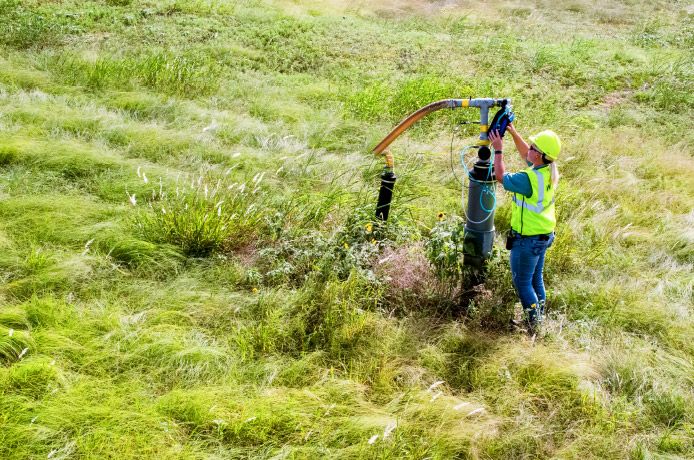
Less food waste in landfills means reduced methane emissions.
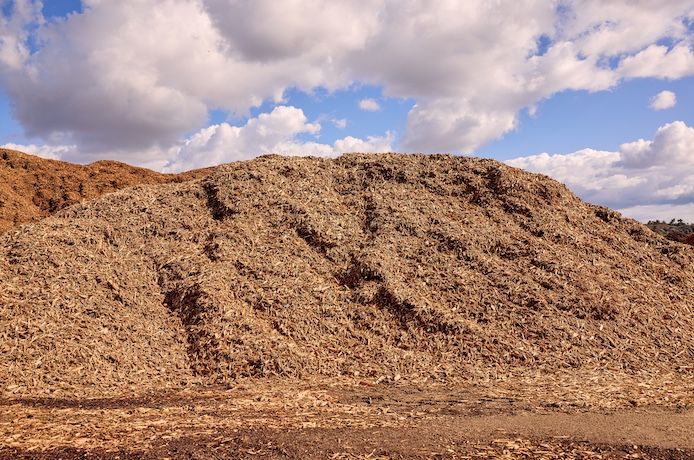
Composted organic material enriches soil with nutrients.
CORe® is an organic recycling program that converts food waste into EBS®, an organic slurry that generates green energy at 3 facilities in North America. CORe allows us to collect leftover food and organics from restaurants, schools, food processing plants and grocery stores then filter out contaminants like plastic, packaging materials and bones. This slurry dramatically increases green energy production at water treatment plants.
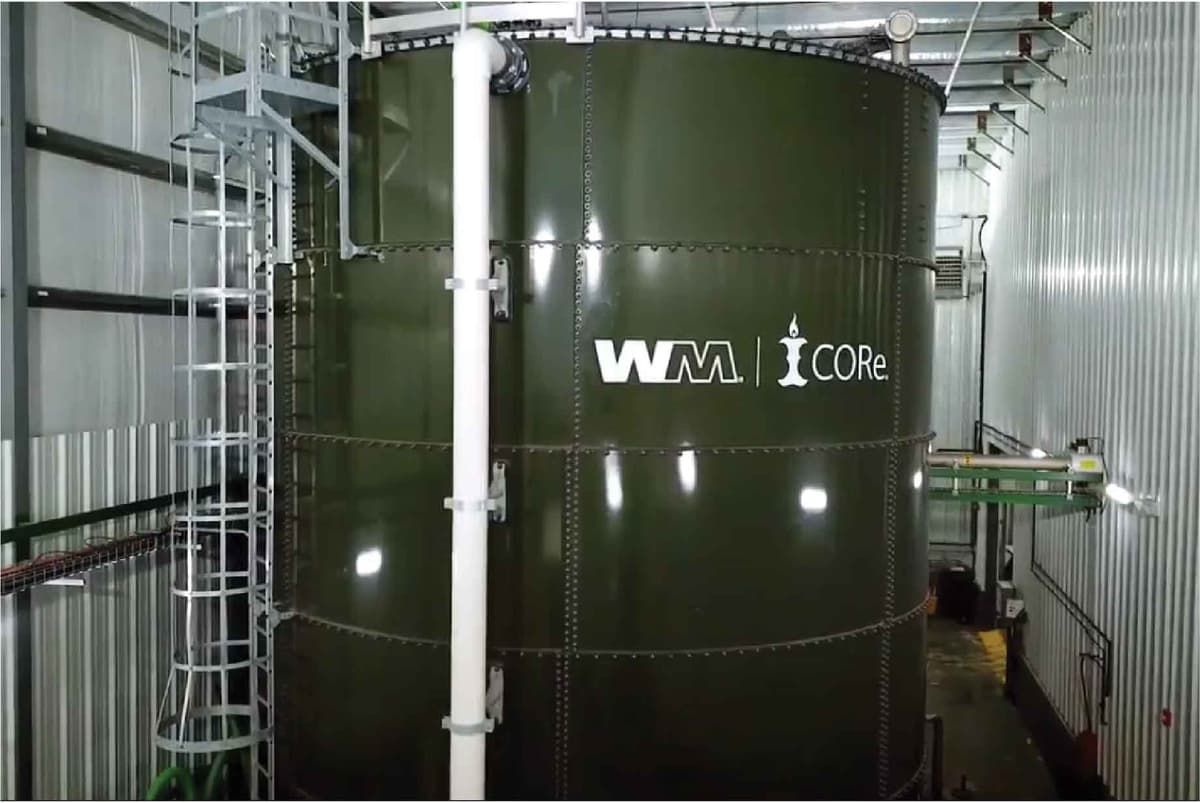
WM processes food waste collected from the Boston area at our CORe® facility and generates it into EBS® (engineered bioslurry). As a result of adding EBS® to their anaerobic digestion process, the Greater Lawrence Sanitary District (GLSD), has more than tripled biogas production, becoming a net-positive producer of electricity. This collaboration has allowed GLSD to offset its multimillion dollar electric bill and secure additional revenue though environmental credits.
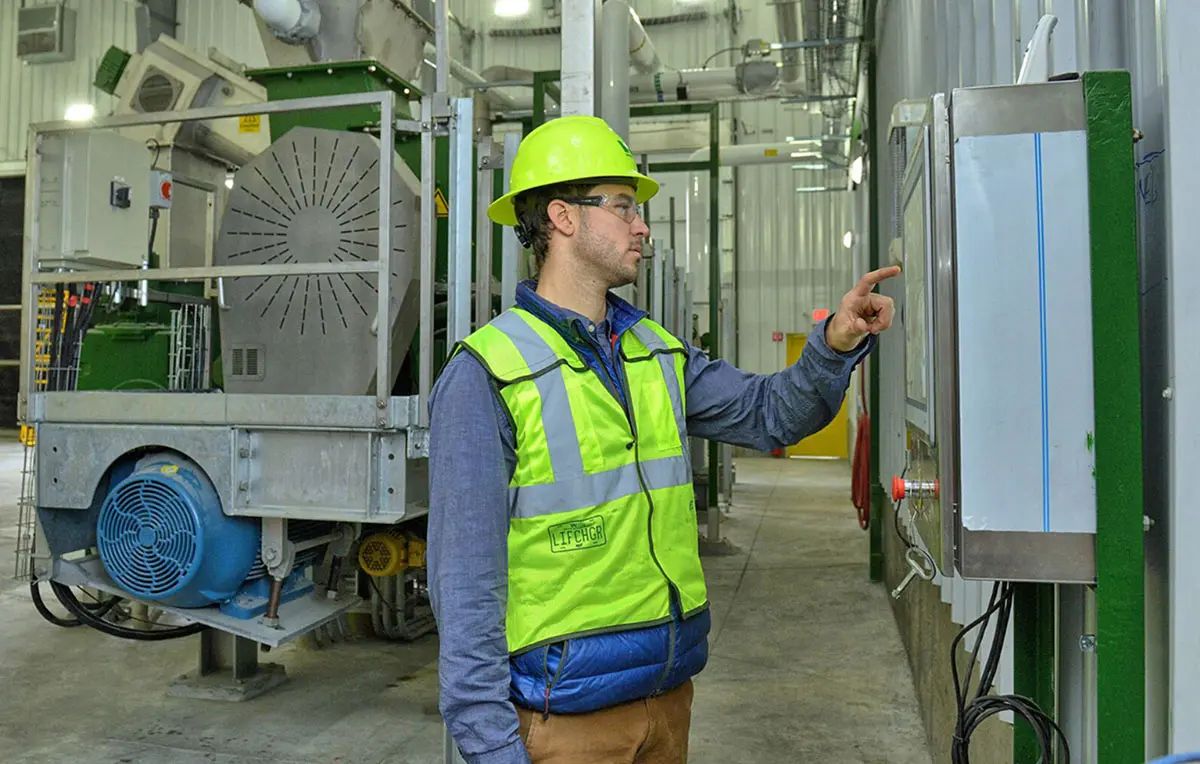
FOG2Fuel® transforms FOG (fats, oils and grease) into new forms of renewable energy, creating a circular pathway for materials that otherwise go to waste. In 2024, we delivered our first loads of brown grease to the commodity market, proving that even hard‑to‑manage byproducts can be returned to productive use. This progress reinforces our commitment to scaling circular solutions that reduce waste, conserve resources and strengthen long‑term environmental resilience.
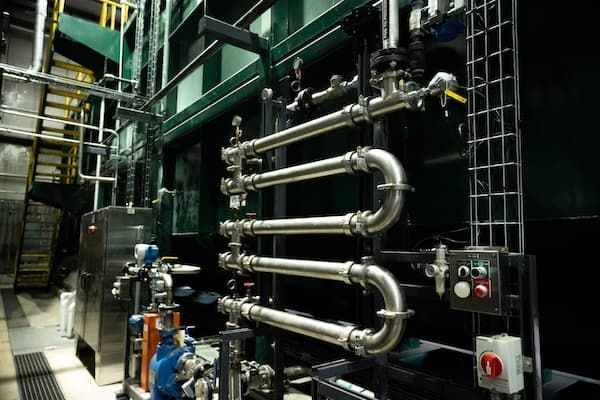
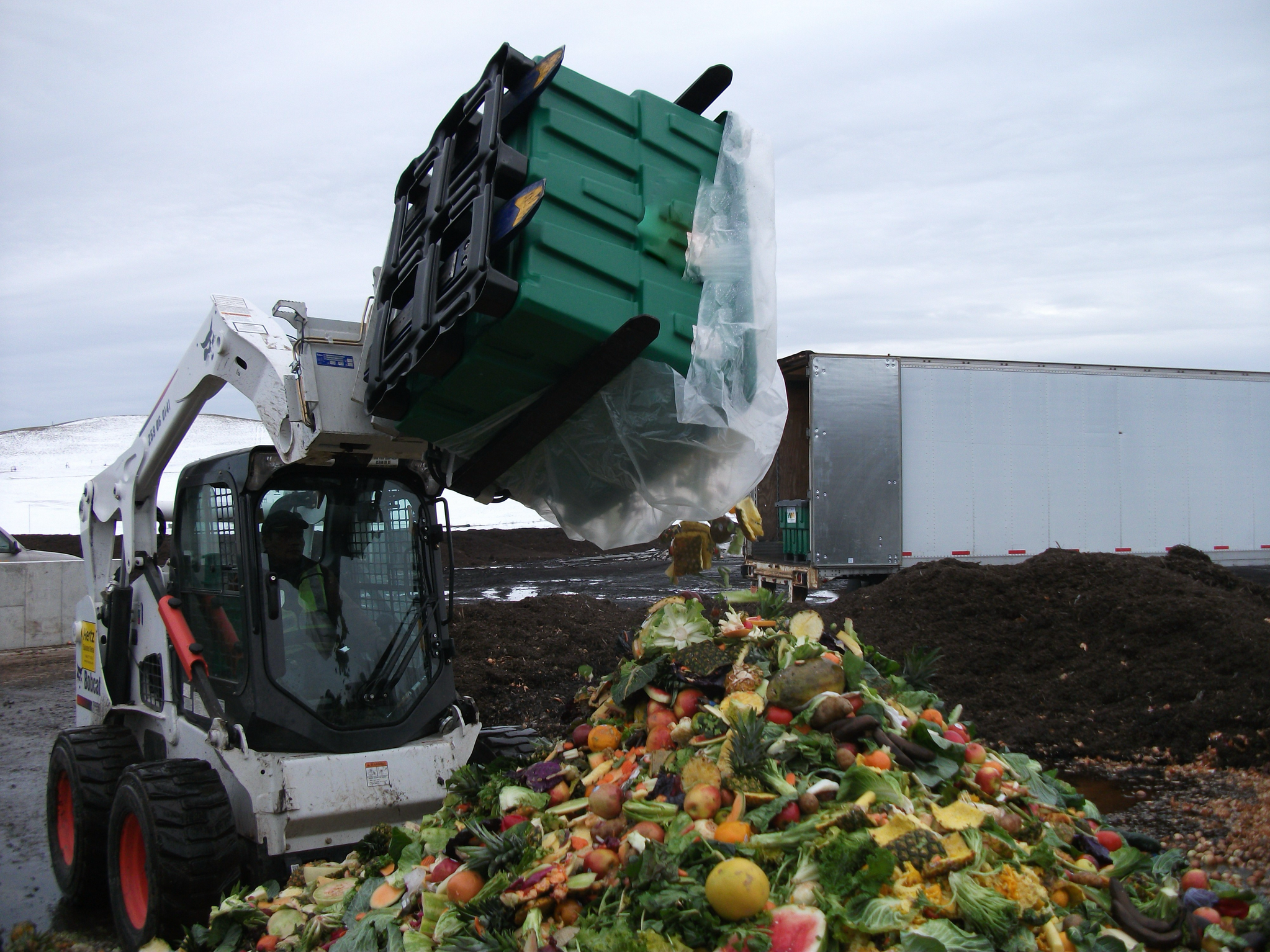
Where CORe reinvented the processing of organics, BulkBin optimizes the way organics are transported to processing facilities. BulkBin was created in collaboration with container manufacturers and is designed to be used by businesses that generate organic materials on a large scale. BulkBin maximizes transportation space, increases food waste delivered and decreases the number of hauls needed. This reduces transportation costs and greenhouse gas impact.