25 million Americans may be on GLP-1s by 2030. What happens to all those used pens?
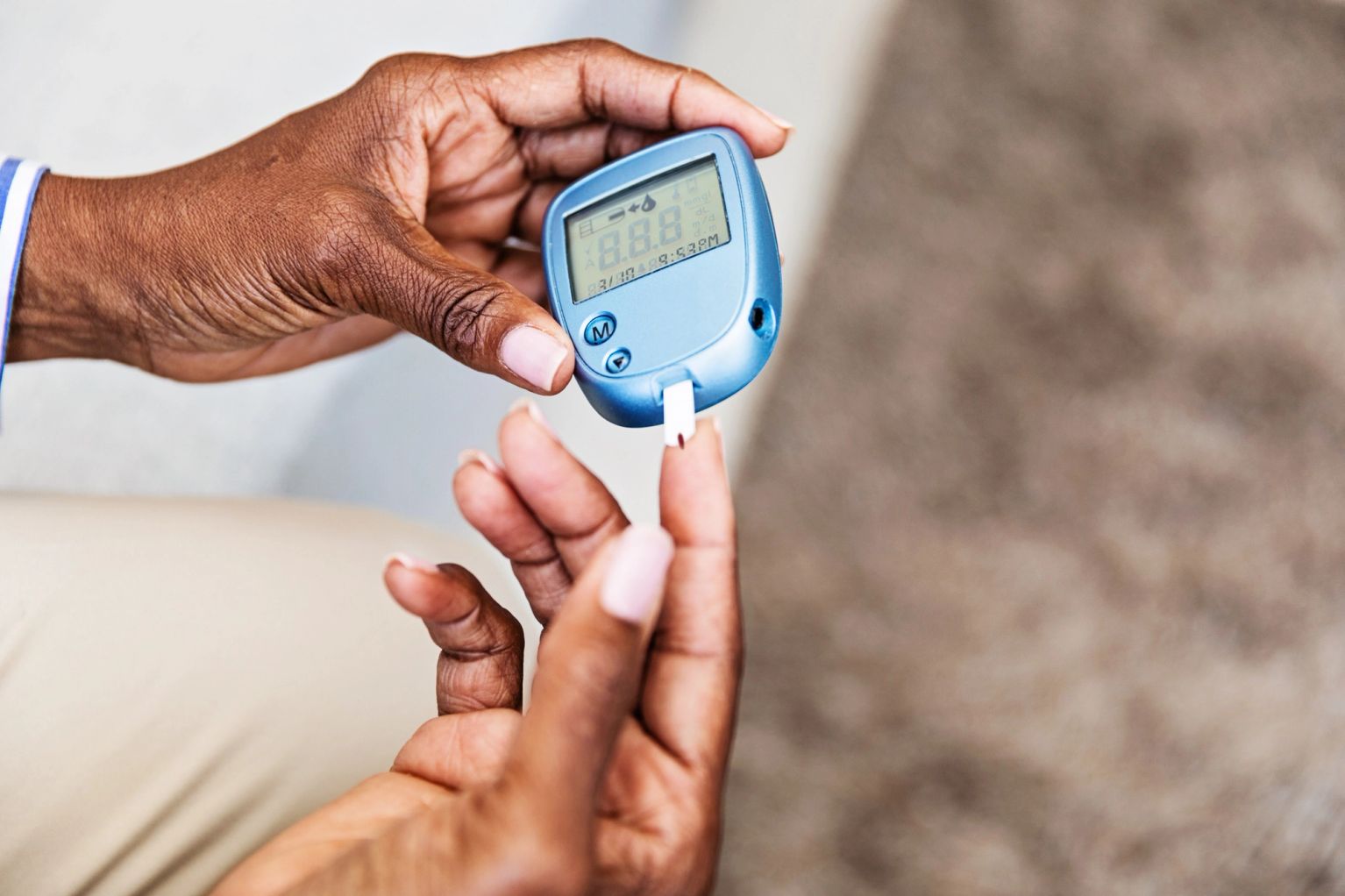
November is Diabetes Awareness Month, a time when attention turns to the millions of Americans managing diabetes and the tools they use as part of their care. As use of injectable medications, including GLP-1 drugs, continues to grow, so does a practical question many patients face at home: What should they do with used injection pens and syringes?
More than 11% of U.S. adults now take a GLP-1 medication for weight loss, up from 3% in 2024, according to Gallup. This increase means millions of Americans are administering regular injections and generating a growing volume of used needles at home. Yet many consumers remain unclear about how to dispose of sharps safely. According to recent research*, while 77% of healthcare consumers say they have disposed of medical waste at home, only 29% feel very knowledgeable about how to do so safely.
Every used sharp poses a potential hazard after it is thrown away and may be a safety risk downstream. Loose sharps, such as medical needles and injection devices, can injure people across communities, including waste and recycling workers, janitors, housekeeping staff and children. According to data reported by Safety+Health magazine, 49 New York City sanitation workers experienced needlestick injuries through Aug. 10, 2026, already more than the 46 reported in all of 2025 and nearly double the 25 reported in 2019.
When discarded improperly, sharps can end up in public spaces such as parks, sidewalks and waterways, creating safety concerns for those who may come into contact with them.
As more Americans begin GLP-1 regimens, the growing volume of used needles being generated at home may increase the risk of accidental needlestick injuries if they are not disposed of properly.
Why disposal matters both in and outside the home
The concern extends beyond individual households. The Environmental Protection Agency has documented cases of sanitation workers and others being injured by loose needles hidden in trash bags, incidents that can lead to bloodborne pathogen exposure and require follow-up medical evaluation and testing.
When a contaminated sharp penetrates the skin, there is a risk of transmitting bloodborne pathogens capable of causing severe diseases such as hepatitis B, hepatitis C and HIV. Even when no infection results, a needlestick injury may require immediate wound care, reporting and medical evaluation.
Why GLP-1 pens are different
The disposal challenge for GLP-1 needles involves not just the number of needles used, but where they are used, by whom and the design of the pen itself.
Many GLP-1 injections are done at home; however, many patients may not have an adequate sharps container available.
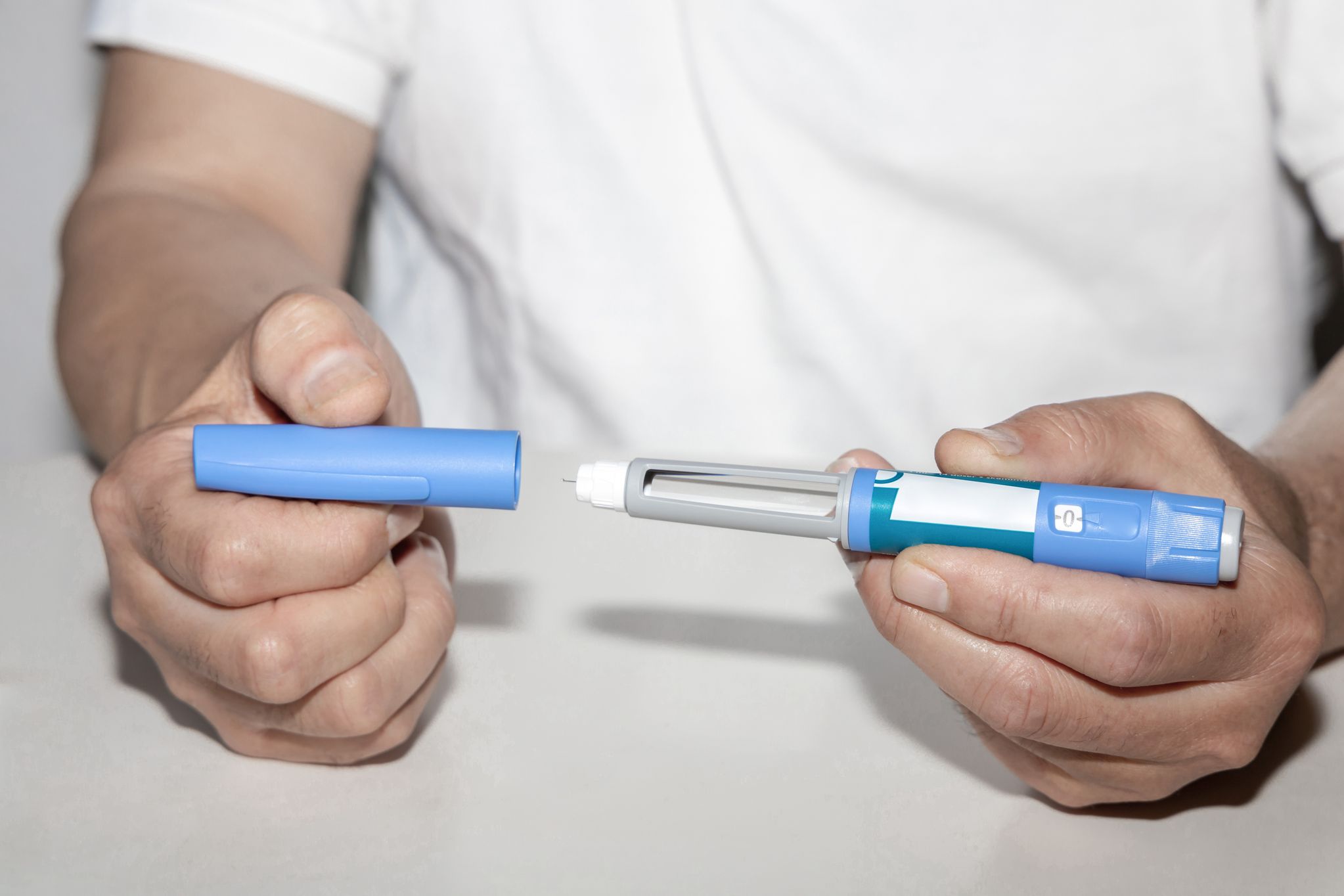
The design of modern GLP-1 pens can also create confusion about proper disposal. Pens and auto-injectors can be bulkier than traditional syringes, which may cause sharps containers to fill more quickly, and disposal requirements vary by device.
Some single-use pens must be placed in a sharps container after use, while some multi-dose pens require users to remove and dispose of the needle separately.
Patients may not know the differences between these pens and how best to dispose of them correctly, instead throwing their used pens or detachable needles into their regular trash.
The guidance gap
Most GLP-1 medications include disposal instructions, but patients may overlook them if they are buried in package inserts or other prescribing materials.
Another challenge is the patchwork of disposal requirements across the United States. While states generally regulate medical waste, rules for disposing of household sharps can vary significantly by jurisdiction.
New York City, for example, allows residents to dispose of sharps in the household trash, but only if they are sealed in a rigid, puncture-resistant container, like a detergent bottle. In contrast, states like California and Wisconsin restrict sharps disposal in household trash, instead requiring people to use approved mail-back programs or collection sites.
What patients should do now
Despite the complexity of disposal requirements, patients can take simple steps to protect themselves, waste and recycling workers and their communities.
The Food and Drug Administration (FDA) recommends checking device instructions to determine appropriate disposal, then following two basic steps:
Place used sharps in an FDA-cleared sharps container immediately after use and store it away from children and pets. If one isn't available, community guidelines may allow a heavy-duty plastic household container, such as a laundry detergent bottle.
When the container is about three-quarters full, dispose of it according to community guidelines, such as at a drop-off or household hazardous waste collection site, through a mail-back program or via residential special waste pickup.
Never throw loose needles in the trash, flush them or put them in recycling bins. They are not recyclable.
The FDA recommends consulting with a pharmacist or health department about available sharps disposal programs in your area. Patients can also ask their insurer or the drug manufacturer whether a free sharps container is available. For travelers, carry a travel-size container and verify TSA rules.
A growing challenge
According to J.P. Morgan Global Research, approximately 25 million Americans will be on GLP-1 treatment by 2030, up from around 10 million in 2025, 6 million in 2024 and 5 million in 2023. And while oral formulations are becoming more popular, injectables currently account for most doses.
Pharmaceutical manufacturers can include clear disposal instructions and help connect patients to sharps containers or mail-back options. Pharmacies and healthcare providers can reinforce disposal instructions at pickup, prescribing and follow-up.
As GLP-1 use continues to expand, the amount of home-generated sharps waste is expected to grow alongside it. Helping patients understand how to properly dispose of used needles can reduce risks for households, waste and recycling workers and communities.
Methodology
Survey methodology (WM 2026 Research): Commissioned by WM, The Logit Group conducted a 15-minute online survey among N=400 healthcare decision-makers in the United States across a variety of roles, including practice managers, owners, executive leadership and facilities managers, as well as N=1,500 members of the general population of healthcare consumers in the United States. Data collection was conducted between January 2–20, 2026.
This article is for general information purposes only and should not be construed as legal advice on any specific facts or circumstances.