Helping Diabetic Patients with Safe Diabetic Needle Disposal
Today nearly 38 million people in the United States live with diabetes, and almost 98 million American adults live with prediabetes. Every year, another 1.2 million Americans are diagnosed with diabetes. This trajectory has continued for more than 50 years, primarily due to dietary habits and the steady rise in obesity rates, a major risk factor for the most common form of diabetes, type 2.
Each November, the American Diabetes Association promotes American Diabetes Month to bring awareness to the challenges people with diabetes face. Globally, there are approximately 425 million people with diabetes, an estimated of whom inject themselves daily with insulin.
Despite new advanced treatments, there is still a need for proper disposal of needles and syringes used regularly to manage diabetes. That means healthcare organizations, pharmaceutical companies, and commercial businesses have a critical role to play in enabling safe and effective sharps disposal.
Diabetic Needle Disposal Is a Common Struggle
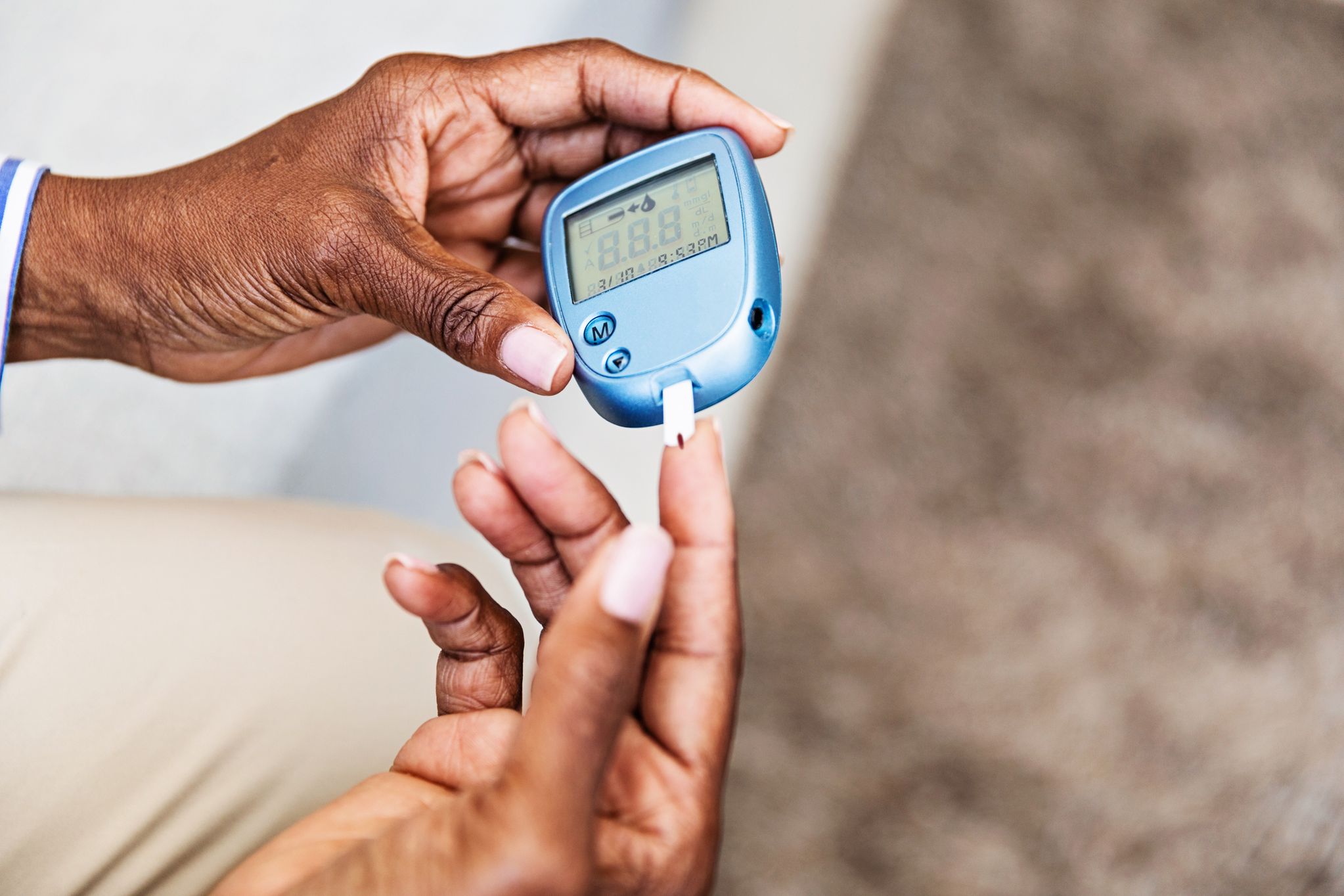
Many diabetics require medication or insulin to regulate their disease, and these therapies are typically delivered via injection. Individuals must regularly monitor their insulin levels to make sure those readings remain in the target range, which may involve the use of lancets or needles.
Proper disposal of these instruments can be challenging. According to a WM survey, one in four (25%) American adults with type 1 or type 2 diabetes said proper sharps disposal was a top concern. That same survey showed that more than 60% of respondents worried their sharps could harm someone if not safely disposed of. To ensure people’s safety, used diabetic lancets and needles should be discarded in specially designed, puncture-proof containers that are separate from the regular waste. However, nearly one in seven (14%) of those surveyed said they toss contaminated needles, syringes, or lancets in a trash can at home, and 20% take used sharps home after using them in public in order to throw them away in their private trash.
A Lack of Public Sharps Disposal Options Is a Problem
In public, safe disposal options can be scarce, even in highly frequented spaces, such as grocery and retail stores, restaurants, banks, hotels, museums, libraries, amusement parks, colleges/universities, airports, and office buildings.
A WM survey, found that 75% of respondents would use a sharps container in a public place if it was available, but 42% said a lack of safe options was the biggest challenge. That survey found more than a third of those who had thrown away sharps in a public trash container did so because they had no other choice.
The FDA recommends placing needles and syringes in a sharps disposal container right after use when outside a healthcare facility, Employers and businesses should consider providing sharps disposal containers in restrooms or other designated areas and making employees and guests aware of them.
Risks of Improper Disposal of Diabetic Needles
In a WM survey, 48% of business owners strongly believed that self-injectable medication use is more prevalent than five years ago, which is why proper diabetic sharps disposal in public spaces is critical.
When sharps are discarded in the regular trash, they’re a public safety hazard. Dropped or loose needles on the floor pose a risk for those who may accidentally step on them. Additionally, keeping needles out of landfills ensures the health and safety of waste workers hauling the materials and working at the landfill.
In WM’s study, 52% of business owners said the primary drivers of adopting a safe sharps disposal program is occupational health and employee safety as well as compliance with regulatory guidance. When a contaminated sharp penetrates the skin, there is a risk of bloodborne pathogens transmission, including the spread of bacteria and viruses. In some cases, this can lead to serious illness, such as hepatitis, HIV, or other bloodborne diseases.
How to Dispose of Diabetic Needles the Right Way
While access to convenient and secure medical sharps disposal may not be readily available when needed, there are several programs that can help fill this need for people with diabetes, and other conditions that require injectable therapies, overcome the challenges:
Direct-to-Consumer Programs
Individuals with diabetes can take advantage of user-friendly sharps mail back solutions, which allow them to safely throw away used sharps by placing them in puncture-proof containers that securely store the sharps for later destruction.
When a container is full, the individual uses a prepaid shipping box and return label to easily send the container for proper needle disposal. The receptacle is conveniently sized, making it readily available when needed. Anyone can purchase these containers directly from WM.
Public Health and Safety Programs
Non-healthcare businesses can provide safe medical sharps disposal solutions for public spaces, offering employees and customers a way to throw away used needles and lancets properly and discretely.
One convenient solution is a mail-back program with a self-service option. WM’s SafeDrop™ Restroom Sharps Disposal Program provides businesses with a sharps mail-back kit containing everything needed to collect sharps. Once full, customers can swap out and package the containers, then ship them using the prepaid USPS return box.
Diabetic Patient Support Programs
Pharmaceutical and biotech manufacturers that distribute insulin and other diabetes drugs may want to consider including disposal solutions as part of their patient support efforts. These solutions allow manufacturers to provide patients with all-in-one sharps mail-back kits that include prepaid shipping boxes and return labels to make it easy for individuals with diabetes to collect and dispose of sharps.
The strategies discussed above help diabetic patients, but they can also have a positive spillover effect of benefiting other types of patients using self-administrated medications like weight management, arthritis, skin conditions, migraines, allergies, and more who also manage their conditions outside of the home.
Get WM's Sharps Expertise to Support Diabetic Patients
Learn more about WM’s Safe Community Solutions to help diabetics safely dispose of used sharps at home, work, or on the go.
This article is for general information purposes only and should not be construed as legal advice on any specific facts or circumstances.
Managing Category A Waste in Healthcare: Key Preparedness Considerations