Landfills are designed with "cells" that are lined to prevent groundwater contamination. The liner consists of a two-foot layer of low-permeability, re-compacted clay soil. Over this layer, a 60-mil, high-density polyethelene (HDPE) plastic liner is installed to complete the composite liner system, covering the entire bottom and sides of the landfill cell.
A blanket of geotextile fabric, composed of synthetic, felt-like fibers, is laid above the primary liner system, along with a geonet made of mesh-like plastic. Together, these prevent fine clay particles from clogging the leachate collection layer and promote removal of leachate from the liner surface. Click Here for a diagram illustrating the anatomy of a landfill.
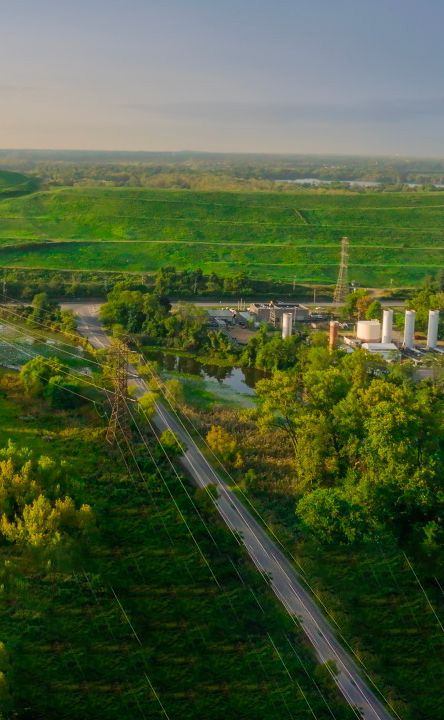
The Austin Community Recycling & Disposal Facility (ACR&DF) is operated safely and in compliance with protective state and federal environmental laws. WM works to meet or exceed state and federal environmental requirements designed to protect air, groundwater and surface water.
The landfill is engineered to protect against environmental impacts through use of sound planning, design and operations, which provide safe, long-term disposal of waste within the facility.
Groundwater protection is an integral part of construction and operations. Through strong engineering, construction and quality assurance testing, WM can be confident that it has met or exceeded federal and state landfill liner requirements designed to protect human health and the environment. The current landfill liner system uses a federal- and state-approved composite liner system consisting of re-compacted clay soil and a high-density polyethylene plastic liner.
Groundwater monitoring wells located around the perimeter are strategically located around the landfill footprint and are sampled and analyzed on a scheduled basis by trained monitoring technicians. The water quality data is evaluated on a semi-annual basis by independent professionals and submitted to TCEQ annually.
A leachate collection and extraction system is placed over the liner system. (Leachate is the liquid generated from rainfall and the natural decomposition of waste.) Leachate is collected in sumps and automatically pumped to an onsite lined holding pond. Leachate is disposed of off-site at approved and permitted wastewater treatment facilities.
At the Austin Community Landfill, we're committed to being good neighbors and supporting organizations that help make our community cleaner, safer and stronger. The Austin Community Landfill has been serving Travis County and surrounding communities for more than 25 years.
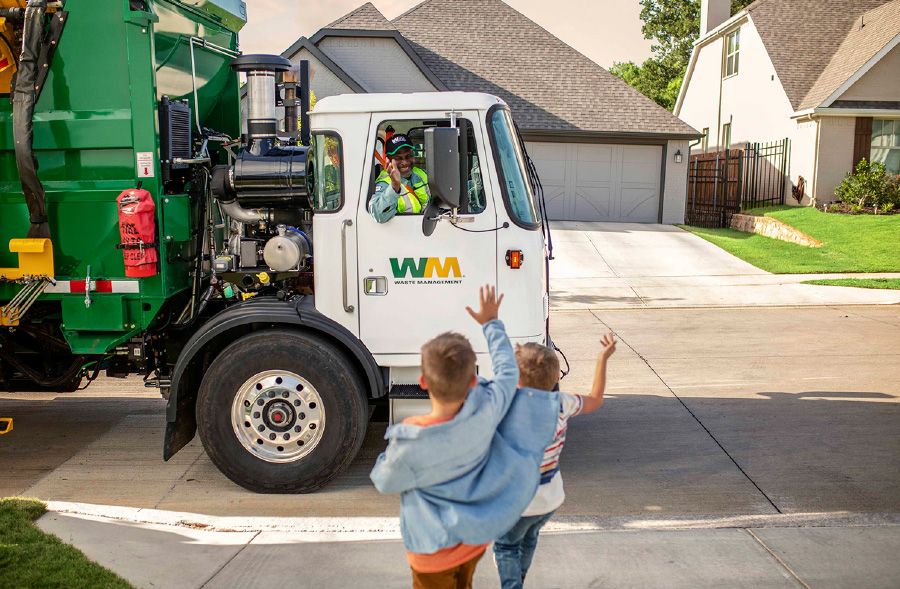
We strive to have an open-door policy and to listen to our neighbors. We have made operational decisions based on the input from our neighbors, such as installing a wheel wash system on our facility to remove mud from truck tires before they enter nearby roads. This is just one example of how we try to be responsive to neighbor concerns.
We are happy to schedule tours to provide information on current landfill activities, landscaping plans, disposal area plans, and community activities.
We regularly publish a newsletter, called Neighbor. The newsletter reports on landfill activities as well as educates readers about the technical and complex environmental processes required at a landfill.
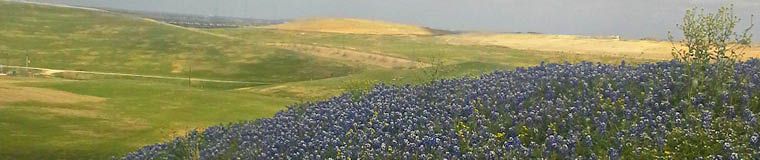
Welcome to Austin Community Landfill’s certified Wildlife Habitat Park, which includes a butterfly and bee garden designed to improve wildlife habitat and raise environmental awareness.
WM worked with neighbors, Travis County Audubon Society and Texas Bee Watches to build the butterfly and bee gardens. Click here for an article about bee gardens in the Fall 2011 Wildflower magazine of the Lady Bird Johnson Wildflower Center and the terrific volunteers who have worked with us at the Austin Community Landfill.
Previously, WM developed a 30-acre park off of Springdale Road that included a two-mile walking trail that passed through a Texas wildflower meadow of big bluestem, Texas cupgrass and purple prairie clover. Unfortunately, WM had to close the park due to unauthorized camping, use of motor bikes on the property, vandalism and illegal dumping.
The first step in developing the program is to have a WHC biologist conduct a field review and audit of the landfill property to identify opportunities for wildlife habitat enhancement and protection. The WHC completed its field audit and report in Summer 2004, providing recommendations designed to augment food, cover, water and space resources for wildlife.
These materials represent descriptions of typical landfill components and operations:
Leachate is liquid generated from rainfall and the natural decomposition of waste that is filtered through the landfill to a leachate collection system. The leachate collection system's job is to direct the leachate to collection sumps so it can be properly removed from the landfill.
The leachate collection system is designed with a minimum 2 percent slope to drain to collection sumps. A leachate collection sump consists of an HDPE riser and submersible pump. Leachate drains to the leachate collection system, where it is transferred to a central collection pump and piped to an onsite holding pond. If necessary, the leachate is transported to an approved offsite wastewater treatment plant for disposal.
Click Here for a diagram illustrating the leachate collection system.
Prior to approval of a landfill site, specified geologic and hydrogeological conditions must be met. A detailed hydrogeological evaluation of the Austin Community Landfill has determined that beneath the landfill property is a low-permeability clay layer, hundreds of feet thick, known by geologists as the Taylor Group. This geological formation represents an additional barrier to the already protective liner that is used by the Austin Community Landfill today in accordance with state and federal regulations.
A diagram of a typical groundwater well can be found here
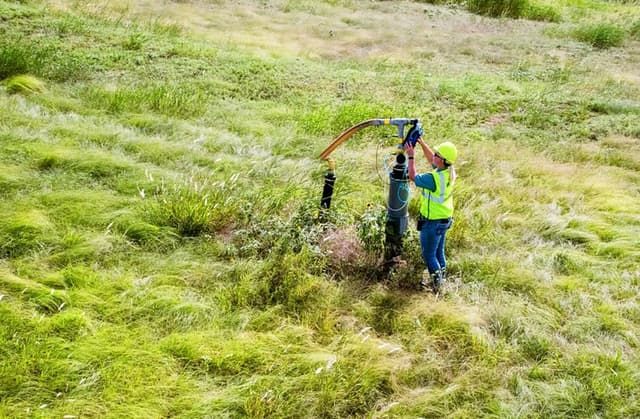
WM employs a quarterly gas monitoring program in accordance with state and federal environmental regulations. Gas monitoring probes are placed around the perimeter of the landfill to detect the potential presence of landfill gas migration.
Air Quality
The Austin Community Landfill also has a gas collection and recovery system designed to achieve the following:
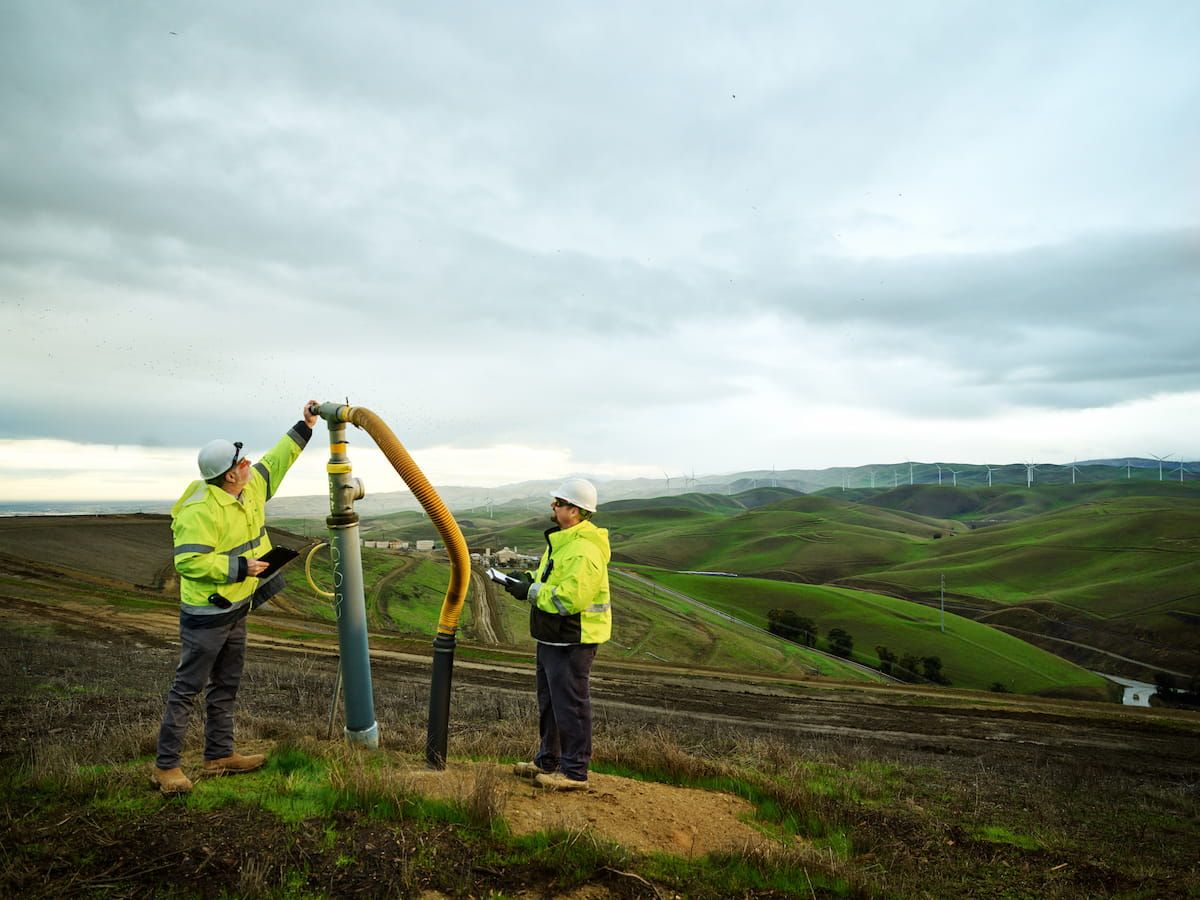
The wells are monitored monthly for pressure, temperature, and oxygen levels to ensure proper operation and compliance with regulatory standards. These data are submitted twice a year to the TCEQ. A diagram of a gas well can be found here.
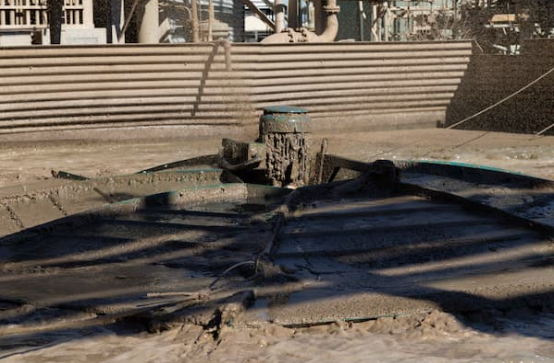
To manage storm water runoff, the Austin Community Landfill uses silt fences, rock dams, erosion control mats, and other best management practices. Erosion control devices, including storm water ditches and channels, are inspected weekly and after each significant rainfall to ensure that their intended purpose is accomplished. When necessary, sediment is removed and repairs made to the system. The program is implemented and maintained under the Texas Pollution Discharge Elimination System (TPDES) general permit.

The Austin Community Landfill seeks to minimize potential odors that may generate from the landfill in several ways. One of the purposes of the landfill gas collection and control system that WM uses is to reduce potential odors created by gases generated from the decomposition of waste.
The gas collection and control system at the landfill consists of gas extraction wells that have been installed in deposited waste areas to remove landfill gas that is generated by decomposing waste. In addition to vertical wells installed to collect gas, horizontal gas collectors have been installed across the active disposal area to control odors. Horizontal and vertical collectors are typically installed well in advance of regulatory requirements to help minimize potential odors.
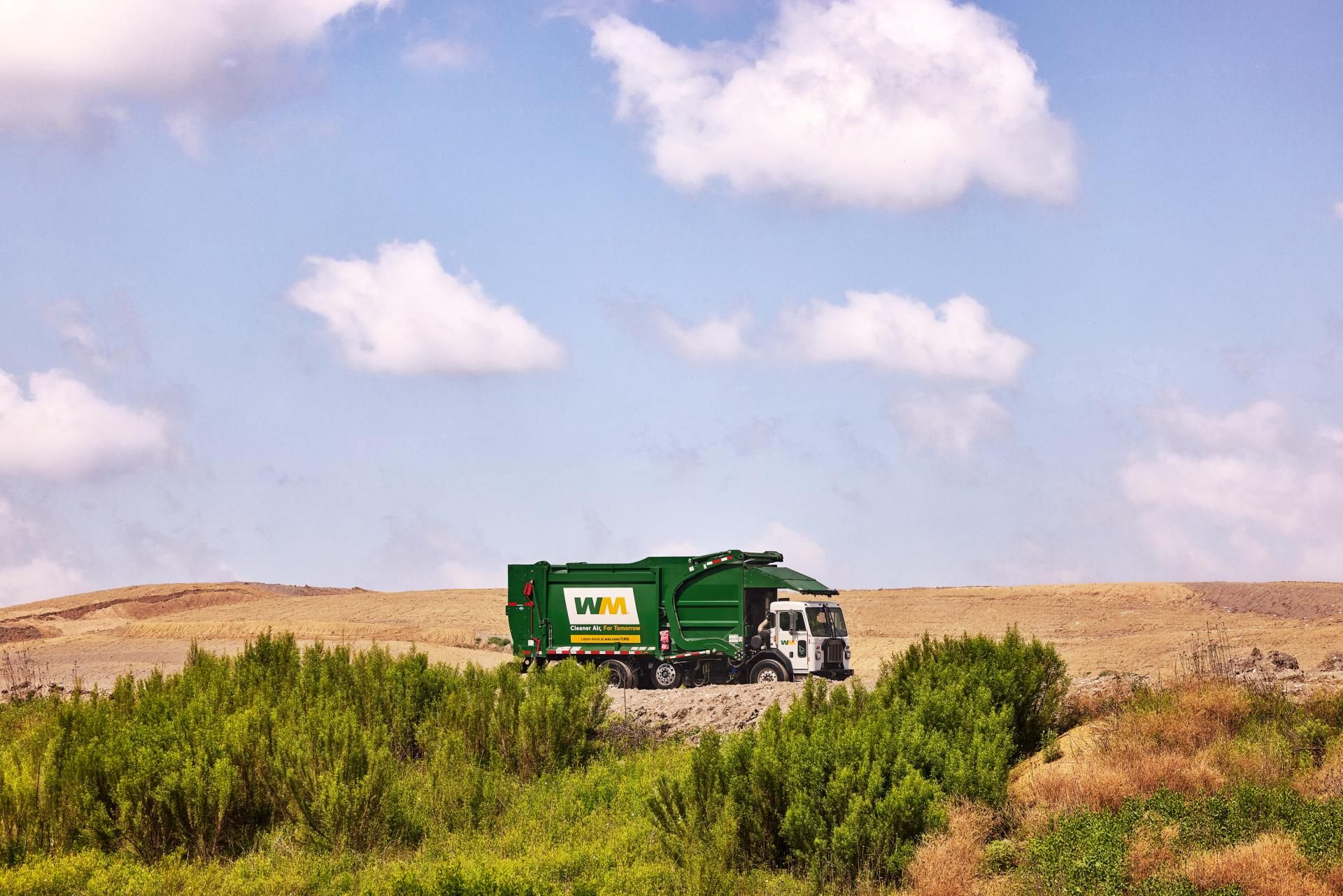
As part of landfill operations, individual waste cells are filled and then closed by capping them with a final cover and planting grasses for erosion control. WM has landscaped the front entrance and property along Giles Road with native trees, flowering shrubs and native grasses.
To manage storm water runoff, the Austin Community Landfill uses both structural controls such as silt fences, rock dams, erosion control mats, and other best management practices along with stabilization of landfill cover through use of vegetation and mulch.
The landfill employs a collection and recovery system to control landfill gas, which is formed by the decomposition of solid waste. Gas extraction wells have been installed to remove the gas, which is directed to a landfill gas to energy plant that uses landfill gas to produce "green energy." The green energy power station has a 5.8 megawatt generation capacity of green energy, producing enough electricity to power nearly 6,000 homes.
The TCEQ inspects the landfill and its operating standards on a regular basis. These announced and unannounced inspections include a review of the facility operations and record-keeping standards.
Austin Community Landfill is proud to be an active supporter of community events and programs that make Travis County a strong and healthy place to live, work and play. In the past, the Landfill has worked with the Travis County Audubon Society and Texas Bee Watchers. We are a member of the Greater Austin Chamber of Commerce and we have partnered with the Texas Department of Transportation for the Don’t Mess with Texas Campaign to prevent accidental litter by reminding drivers to “cover your load” when bringing debris to the landfill in a truck or trailer.
Austin Community Landfill was selected as Business Partner of the Year for the 16th Annual Partners in Education in Manor ISD. WM has supported science and math programs at Bluebonnet Elementary in various ways including math software, teacher training, and a science lab.
Lastly, Austin Community Landfill supports Keep Austin Beautiful by providing donated services to the Beautify Austin program, the Clean Lady Bird Lake program, and the Lake Travis Underwater Cleanup program. Additionally, WM is an annual sponsor at the Beautiful Bash which celebrates Keep Austin Beautiful and all who work to make Austin beautiful.
In 2018, Keep Austin Beautiful awarded WM the Emerson Community Involvement Award for our continued support for beautification and clean-up projects in the Austin area.

Healthy thriving communities depend on involved citizens, organizations and corporate partners for momentum. We lend our support and services to causes that promote civic pride, economic development and revitalization.
Every community has its own challenges, and we strive always to be part of problem-solving initiatives. For guidelines on chartiable giving or to apply for a charitable contribution, visit our Community Impact page.
Please direct media inquiries to Sherrell Cordas at 830-463-1997 or scordas@wm.com
In early 2005, WM organized a Wildlife Habitat Advisory Team to help develop a wildlife enhancement program at the Austin Landfill.
We appreciate the help and guidance of the following individuals who are volunteering their time and expertise:
Please visit Recycle Right® - Recycling Guide
Landfills are designed with "cells" that are lined to prevent groundwater contamination. The liner consists of a two-foot layer of low-permeability, re-compacted clay soil. Over this layer, a 60-mil, high-density polyethelene (HDPE) plastic liner is installed to complete the composite liner system, covering the entire bottom and sides of the landfill cell.
A blanket of geotextile fabric, composed of synthetic, felt-like fibers, is laid above the primary liner system, along with a geonet made of mesh-like plastic. Together, these prevent fine clay particles from clogging the leachate collection layer and promote removal of leachate from the liner surface. Click Here for a diagram illustrating the anatomy of a landfill.
Leachate is liquid generated from rainfall and the natural decomposition of waste that is filtered through the landfill to a leachate collection system. The leachate collection system's job is to direct the leachate to collection sumps so it can be properly removed from the landfill.
The leachate collection system is designed with a minimum 2 percent slope to drain to collection sumps. A leachate collection sump consists of an HDPE riser and submersible pump. Leachate drains to the leachate collection system, where it is transferred to a central collection pump and piped to an onsite holding pond. If necessary, the leachate is transported to an approved offsite wastewater treatment plant for disposal.
Click Here for a diagram illustrating the leachate collection system.
Prior to approval of a landfill site, specified geologic and hydrogeological conditions must be met. A detailed hydrogeological evaluation of the Austin Community Landfill has determined that beneath the landfill property is a low-permeability clay layer, hundreds of feet thick, known by geologists as the Taylor Group. This geological formation represents an additional barrier to the already protective liner that is used by the Austin Community Landfill today in accordance with state and federal regulations.
A diagram of a typical groundwater well can be found here
WM employs a quarterly gas monitoring program in accordance with state and federal environmental regulations. Gas monitoring probes are placed around the perimeter of the landfill to detect the potential presence of landfill gas migration.
Air Quality
The Austin Community Landfill also has a gas collection and recovery system designed to achieve the following:
The wells are monitored monthly for pressure, temperature, and oxygen levels to ensure proper operation and compliance with regulatory standards. These data are submitted twice a year to the TCEQ. A diagram of a gas well can be found here.
To manage storm water runoff, the Austin Community Landfill uses silt fences, rock dams, erosion control mats, and other best management practices. Erosion control devices, including storm water ditches and channels, are inspected weekly and after each significant rainfall to ensure that their intended purpose is accomplished. When necessary, sediment is removed and repairs made to the system. The program is implemented and maintained under the Texas Pollution Discharge Elimination System (TPDES) general permit.
The Austin Community Landfill seeks to minimize potential odors that may generate from the landfill in several ways. One of the purposes of the landfill gas collection and control system that WM uses is to reduce potential odors created by gases generated from the decomposition of waste.
The gas collection and control system at the landfill consists of gas extraction wells that have been installed in deposited waste areas to remove landfill gas that is generated by decomposing waste. In addition to vertical wells installed to collect gas, horizontal gas collectors have been installed across the active disposal area to control odors. Horizontal and vertical collectors are typically installed well in advance of regulatory requirements to help minimize potential odors.
As part of landfill operations, individual waste cells are filled and then closed by capping them with a final cover and planting grasses for erosion control. WM has landscaped the front entrance and property along Giles Road with native trees, flowering shrubs and native grasses.
The Austin Community Recycling & Disposal Facility (ACR&DF) is operated safely and in compliance with protective state and federal environmental laws. WM works to meet or exceed state and federal environmental requirements designed to protect air, groundwater and surface water.
The landfill is engineered to protect against environmental impacts through use of sound planning, design and operations, which provide safe, long-term disposal of waste within the facility.
Groundwater protection is an integral part of construction and operations. Through strong engineering, construction and quality assurance testing, WM can be confident that it has met or exceeded federal and state landfill liner requirements designed to protect human health and the environment. The current landfill liner system uses a federal- and state-approved composite liner system consisting of re-compacted clay soil and a high-density polyethylene plastic liner.
Groundwater monitoring wells located around the perimeter are strategically located around the landfill footprint and are sampled and analyzed on a scheduled basis by trained monitoring technicians. The water quality data is evaluated on a semi-annual basis by independent professionals and submitted to TCEQ annually.
A leachate collection and extraction system is placed over the liner system. (Leachate is the liquid generated from rainfall and the natural decomposition of waste.) Leachate is collected in sumps and automatically pumped to an onsite lined holding pond. Leachate is disposed of off-site at approved and permitted wastewater treatment facilities.
To manage storm water runoff, the Austin Community Landfill uses both structural controls such as silt fences, rock dams, erosion control mats, and other best management practices along with stabilization of landfill cover through use of vegetation and mulch.
The landfill employs a collection and recovery system to control landfill gas, which is formed by the decomposition of solid waste. Gas extraction wells have been installed to remove the gas, which is directed to a landfill gas to energy plant that uses landfill gas to produce "green energy." The green energy power station has a 5.8 megawatt generation capacity of green energy, producing enough electricity to power nearly 6,000 homes.
The TCEQ inspects the landfill and its operating standards on a regular basis. These announced and unannounced inspections include a review of the facility operations and record-keeping standards.
At the Austin Community Landfill, we're committed to being good neighbors and supporting organizations that help make our community cleaner, safer and stronger. The Austin Community Landfill has been serving Travis County and surrounding communities for more than 25 years.
Austin Community Landfill is proud to be an active supporter of community events and programs that make Travis County a strong and healthy place to live, work and play. In the past, the Landfill has worked with the Travis County Audubon Society and Texas Bee Watchers. We are a member of the Greater Austin Chamber of Commerce and we have partnered with the Texas Department of Transportation for the Don’t Mess with Texas Campaign to prevent accidental litter by reminding drivers to “cover your load” when bringing debris to the landfill in a truck or trailer.
Austin Community Landfill was selected as Business Partner of the Year for the 16th Annual Partners in Education in Manor ISD. WM has supported science and math programs at Bluebonnet Elementary in various ways including math software, teacher training, and a science lab.
Lastly, Austin Community Landfill supports Keep Austin Beautiful by providing donated services to the Beautify Austin program, the Clean Lady Bird Lake program, and the Lake Travis Underwater Cleanup program. Additionally, WM is an annual sponsor at the Beautiful Bash which celebrates Keep Austin Beautiful and all who work to make Austin beautiful.
In 2018, Keep Austin Beautiful awarded WM the Emerson Community Involvement Award for our continued support for beautification and clean-up projects in the Austin area.
Healthy thriving communities depend on involved citizens, organizations and corporate partners for momentum. We lend our support and services to causes that promote civic pride, economic development and revitalization.
Every community has its own challenges, and we strive always to be part of problem-solving initiatives. For guidelines on chartiable giving or to apply for a charitable contribution, visit our Community Impact page.
We strive to have an open-door policy and to listen to our neighbors. We have made operational decisions based on the input from our neighbors, such as installing a wheel wash system on our facility to remove mud from truck tires before they enter nearby roads. This is just one example of how we try to be responsive to neighbor concerns.
We are happy to schedule tours to provide information on current landfill activities, landscaping plans, disposal area plans, and community activities.
We regularly publish a newsletter, called Neighbor. The newsletter reports on landfill activities as well as educates readers about the technical and complex environmental processes required at a landfill.
Please direct media inquiries to Sherrell Cordas at 830-463-1997 or scordas@wm.com
Welcome to Austin Community Landfill’s certified Wildlife Habitat Park, which includes a butterfly and bee garden designed to improve wildlife habitat and raise environmental awareness.
WM worked with neighbors, Travis County Audubon Society and Texas Bee Watches to build the butterfly and bee gardens. Click here for an article about bee gardens in the Fall 2011 Wildflower magazine of the Lady Bird Johnson Wildflower Center and the terrific volunteers who have worked with us at the Austin Community Landfill.
Previously, WM developed a 30-acre park off of Springdale Road that included a two-mile walking trail that passed through a Texas wildflower meadow of big bluestem, Texas cupgrass and purple prairie clover. Unfortunately, WM had to close the park due to unauthorized camping, use of motor bikes on the property, vandalism and illegal dumping.
The first step in developing the program is to have a WHC biologist conduct a field review and audit of the landfill property to identify opportunities for wildlife habitat enhancement and protection. The WHC completed its field audit and report in Summer 2004, providing recommendations designed to augment food, cover, water and space resources for wildlife.
In early 2005, WM organized a Wildlife Habitat Advisory Team to help develop a wildlife enhancement program at the Austin Landfill.
We appreciate the help and guidance of the following individuals who are volunteering their time and expertise:
These materials represent descriptions of typical landfill components and operations:
Please visit Recycle Right® - Recycling Guide
