US - English

Schedule & ETAMake a Payment Find a Facility
WM logo
SupportSupport
WM logo
Waste Management (WM) logo.

Products & Services

Residential Garbage & Recycling Pickup

Commercial Trash & Recycling Service

Roll-Off Dumpster Rentals

Bulk Pickup

Construction Waste Disposal

Bagster® - Dumpster in a Bag

eWaste

National Accounts

Moving In?

Customer Support

Pay My Bill

Billing & Invoice Help

Manage My Account

Log into MyWM

Customer Support

Request Extra Pickup

Report Missed Pickup

WM.com Security

Quick Info

Recycling 101

Our Service Areas

Find a Facility

10 Yard Dumpster

20 Yard Dumpster

30 Yard Dumpster

Holiday Schedule

Our Company

Who We Are

Media Room

WM Phoenix Open

Sustainability Report

Work With Us

Careers

Investors

Suppliers

Acquisitions & Divestitures

Former Employee HR Support

© 2026 WM Intellectual Property Holdings, LLC.

California Privacy Notice

Privacy Policy

Terms of Use

Service Terms & Conditions

Disputes/Arbitration

Accessibility

Sitemap

© 2026 WM Intellectual Property Holdings, LLC.

California Privacy Notice

Privacy Policy

Terms of Use

Service Terms & Conditions

Disputes/Arbitration

Accessibility

Sitemap

© 2026 WM Intellectual Property Holdings, LLC.

California Privacy Notice

Privacy Policy

Terms of Use

Service Terms & Conditions

Disputes/Arbitration

Accessibility

Sitemap

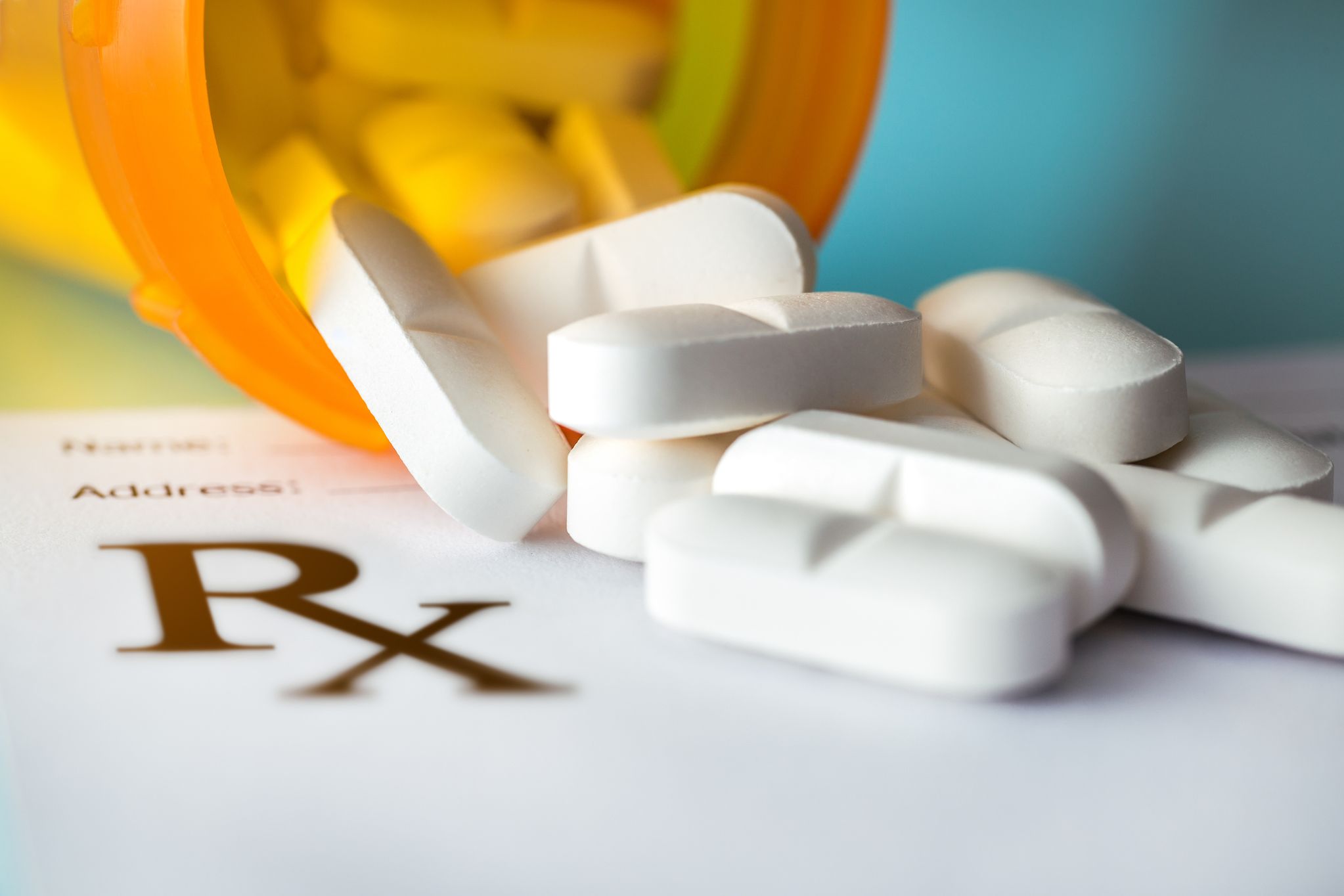
White tablets spilling from an orange prescription bottle onto a prescription form

Preparing for National Prescription Drug Take Back Day: Small Actions, Big Impact

October 15, 2025

Communities share a collective responsibility to safely dispose of unused or expired prescription medications. However, many individuals don’t fully recognize the importance of proper disposal of unwanted drugs and instead discard them in the trash or flush them.

When people flush prescription drugs down sinks and toilets, these pharmaceuticals enter water systems, according to the Organization for Economic Cooperation and Development. Conventional wastewater treatment plants are typically not equipped or designed to remove many of these substances. As a result, they can leach into bodies of water like rivers, lakes, and oceans – posing risks to aquatic species and ecosystems.

To address these concerns, the U.S. Drug Enforcement Administration (DEA) holds National Prescription Drug Take Back Day; the next one taking place on October 25, 2025. These events serve to inform communities about their role in ensuring safe medication disposal, while also helping mitigate the risk of drug diversion, misuse, and environmental harm.

What is National Prescription Drug Take Back Day?

The DEA’s National Prescription Drug Take Back Day is held twice each year, in April and October, providing opportunities for the public to dispose of unused or expired medications securely and anonymously. The events aim to facilitate proper drug disposal and offer information on the potential dangers of improper use.

Since the program’s inception in 2010, the DEA and its partners have held 28 National Prescription Drug Take Back Days, collecting and safely destroying more than . Its involved nearly 4,472 law enforcement officials and 4,590 collection sites, resulting in the collection of more than 620,000 pounds of prescription drugs.
Related Content

  • Doctor holding a prescription bottle while writing on a clipboard at a desk
    Controlled Substance Disposal: Inventory vs. Wastage

    August 10, 2026

  • Healthcare worker in a full hazmat suit and respirator caring for a patient in a hospital bed
19.8 million pounds of medications
most recent event in April 2025

In addition to these biannual events, many communities often have year-round disposal options through collection kiosks at pharmacies, hospitals, and police stations.

Why Should People Participate in National Prescription Drug Take Back Day?

Participating in National Prescription Drug Take Back Day helps safely dispose of unwanted medications and addresses risks tied to leftover prescription drugs, especially opioids. In 2024, 8 million Americans aged 12 and older misused pain relievers, with most misuse involving opioids. While misuse rates dropped slightly from 2021 to 2024, opioid misuse continues to pose health dangers, including addiction and overdose. Opioid-related overdose deaths decreased 27% to 54,743 in 2024, thanks to naloxone distribution and better treatment access, though early 2025 data shows a possible increase.

In addition to limiting the risk of drug diversion, proper disposal at Take Back events also helps protect the environment: collected drugs are incinerated as recommended by the U.S. Environmental Protection Agency (EPA) to prevent potential contamination of water sources.

How Should Someone Prepare for Drug Take Back Day?

Before the next scheduled event, individuals should check to see whether their local law enforcement agency, pharmacy, or healthcare provider is participating.

To prepare, gather any unused or expired prescription and bring them in their original bottles or in a clear, sealed bag. Be sure to remove any labels on the bottles or use a permanent marker to black out personal health information, including name, address, and health insurance data. This helps protect your privacy while ensuring medications are safely collected for proper disposal.

How WM Supports Year-Round Drug Take Back Efforts

While the DEA’s National Prescription Drug Take Back Days happen twice a year, people don’t have to wait to safely dispose of unwanted or expired medications. WM provides drug take-back solutions year-round, making it easier for individuals and organizations to responsibly dispose of unwanted or expired medications.

In 2024 alone, WM safely incinerated 29,800 tons of pharmaceutical waste prior to final disposal – preventing active pharmaceutical ingredients from entering waterways and helping protect both public health and the environment.

Here are ways we help take part in the safe disposal of unused consumer medications:

MedDrop™ Medication Collection Kiosks

These kiosks, available at DEA-registered hospitals and retail pharmacies, promote responsible drug collection. WM ensures the incineration of collected materials, safeguarding against environmental contamination.

Seal&Send™ Consumer Medication Mail Envelopes

These envelopes are pre-paid and enable patients to send up to eight ounces of unused medication to WM through the U.S. Postal Service for safe incineration. Unlike drug collection kiosks, which are limited to certain DEA registrants, any organization can purchase Seal&Send™ envelopes and distribute them to patients, employees, students, and others.

Authorized Collectors

Authorized collectors, such as pharmacies and hospitals, also take medications throughout the year. The U.S. Environmental Protection Agency reports 71% of the U.S. population lives within five miles of a permanent drug disposal collection site. To help people easily identify the nearest location, the DEA has an online database searchable by zip code or city/state. The agency updates its list frequently to give people the latest information about approved disposal locations.

Learn more about how WM provides safe and sustainable mediation disposal for patients, healthcare organizations, and businesses.

This article is for general information purposes only and should not be construed as legal advice on any specific facts or circumstances.

Managing Category A Waste in Healthcare: Key Preparedness Considerations

July 08, 2026

  • Chemical container label showing GHS flammable, toxic and health hazard pictograms
    Understanding OSHA’s HazCom Standard & Training Requirements

    May 19, 2026

  • Home health nurse explaining a prescription bottle to an older couple seated on a couch
    What Patients and Caregivers Should Know About Disposing of Cancer Drugs...

    March 03, 2026