US - English

Schedule & ETAMake a Payment Find a Facility
WM logo
SupportSupport
WM logo
Waste Management (WM) logo.

Products & Services

Residential Garbage & Recycling Pickup

Commercial Trash & Recycling Service

Roll-Off Dumpster Rentals

Bulk Pickup

Construction Waste Disposal

Bagster® - Dumpster in a Bag

eWaste

National Accounts

Moving In?

Customer Support

Pay My Bill

Billing & Invoice Help

Manage My Account

Log into MyWM

Customer Support

Request Extra Pickup

Report Missed Pickup

WM.com Security

Quick Info

Recycling 101

Our Service Areas

Find a Facility

10 Yard Dumpster

20 Yard Dumpster

30 Yard Dumpster

Holiday Schedule

Our Company

Who We Are

Media Room

WM Phoenix Open

Sustainability Report

Work With Us

Careers

Investors

Suppliers

Acquisitions & Divestitures

Former Employee HR Support

© 2026 WM Intellectual Property Holdings, LLC.

California Privacy Notice

Privacy Policy

Terms of Use

Service Terms & Conditions

Disputes/Arbitration

Accessibility

Sitemap

© 2026 WM Intellectual Property Holdings, LLC.

California Privacy Notice

Privacy Policy

Terms of Use

Service Terms & Conditions

Disputes/Arbitration

Accessibility

Sitemap

© 2026 WM Intellectual Property Holdings, LLC.

California Privacy Notice

Privacy Policy

Terms of Use

Service Terms & Conditions

Disputes/Arbitration

Accessibility

Sitemap

Woman sitting on a couch blowing her nose into a tissue

Keeping Employees Safe This Flu Season

November 19, 2024

Fall is here, which means flu season has arrived too. With cold weather comes an increase in flu cases and a greater need for proactive immunization.

The flu is a contagious respiratory illness caused by the influenza virus, spreading through the air when infected people cough or sneeze. Complications from the flu can lead to severe illness, hospitalization, or even death for those at risk of developing serious complications. Flu season is a busy time for healthcare professionals, as millions of Americans roll up their sleeves in hospitals, clinics, and pharmacies across the country to receive the latest seasonal flu, COVID-19, or respiratory syncytial virus (RSV) vaccine.

Influenza activity in the United States during the 2023–2024 season (Oct. 1, 2023 – Aug. 31, 2024) was moderately severe, in line with pre-COVID-19 seasons for both timing and intensity. During this period, flu cases began increasing in early November and peaked in late December 2023.

The Centers for Disease Control and Prevention (CDC) indicates that flu vaccines can reduce the risk of catching the flu. The updated 2024-2025 and COVID-19 vaccines to protect against severe illness this fall and winter. , 48% of adults aged 18 and older and 71% of adults aged 65 and older received an influenza vaccine in the past 12 months. the past 12 months.


Related Content

  • Doctor holding a prescription bottle while writing on a clipboard at a desk
    Controlled Substance Disposal: Inventory vs. Wastage

    August 10, 2026

  • Healthcare worker in a full hazmat suit and respirator caring for a patient in a hospital bed
CDC recommends
flu
According to CDC data

What Happens to All the Sharps and Needles?

Healthcare providers, including pharmacies, private practices, and hospitals know that effective immunization programs are essential, especially as flu season approaches. With the high number of flu shots administered, healthcare facilities like doctors’ offices and retail pharmacies must properly dispose of the large volume of used needles. Proper disposal procedures reduce the risk of accidental needlesticks, preventing bloodborne pathogen transmission and ensure staff safety.

Here are some tips for effective needle disposal and staff protection.

1. Use OSHA compliant sharps containers
According to OSHA standard 29 CFR 1910.1030(d)(4)(iii), healthcare facilities should place puncture-resistant, leak-proof containers in accessible patient care areas, so they’re easily accessible to staff. These receptacles should be clearly labeled and designed to securely hold contaminated sharps until disposal. Consider how and where the containers will be used; features such as a vertical drop lid could provide more convenience in certain workspaces.

2. Educate staff on proper procedures

If healthcare workers don’t understand the proper procedures and best practices for managing sharps before, during, and after use, they’re more likely to make mistakes, leading to injuries. All healthcare employees should undergo regular training on OSHA’s Bloodborne Pathogen Standard as well as organization-specific sharps use protocols.

Healthcare organizations should also teach employees how to properly segregate waste, which helps protect staff and other waste workers, including:

  • Segregating waste at the point of generation

  • Clearly defining policies and processes, such as using labels and color codes

  • Separating sharps from non-sharps and placing only sharps in sharps containers

3. Establish a reliable process for container removal
Without a container replacement process, sharps containers can exceed fill lines, putting staff at risk. WM offers various container sizes and service models that can be tailored to facility needs and waste volumes. We provide reusable, mail-back, and disposable sharps containers, as well as full-service and self-service options for sharps container exchange, supporting a variety of healthcare facilities and businesses. Having enough sharps containers available, especially during peak times like flu season, can prevent overflow that may lead to needlestick injuries.

WM can help support your healthcare facility’s vaccination programs, helping you and your employees stay safe and compliant. Contact us to learn how we can assist your healthcare organization.


This article is for general information purposes only and should not be construed as legal advice on any specific facts or circumstances.

Managing Category A Waste in Healthcare: Key Preparedness Considerations

July 08, 2026

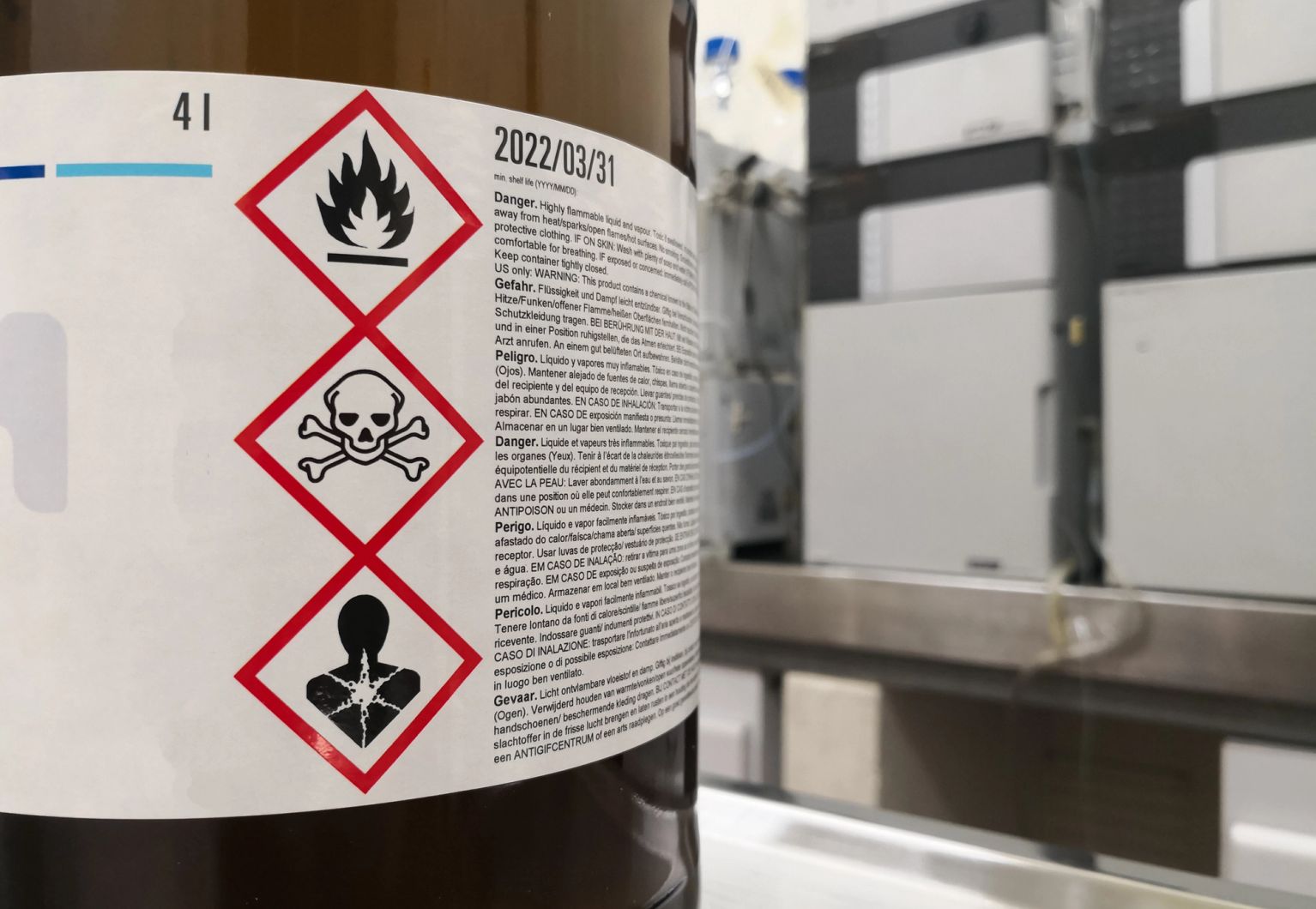
  • Chemical container label showing GHS flammable, toxic and health hazard pictograms
    Understanding OSHA’s HazCom Standard & Training Requirements

    May 19, 2026

  • Home health nurse explaining a prescription bottle to an older couple seated on a couch
    What Patients and Caregivers Should Know About Disposing of Cancer Drugs...

    March 03, 2026