Understanding Biohazardous Waste Disposal Methods
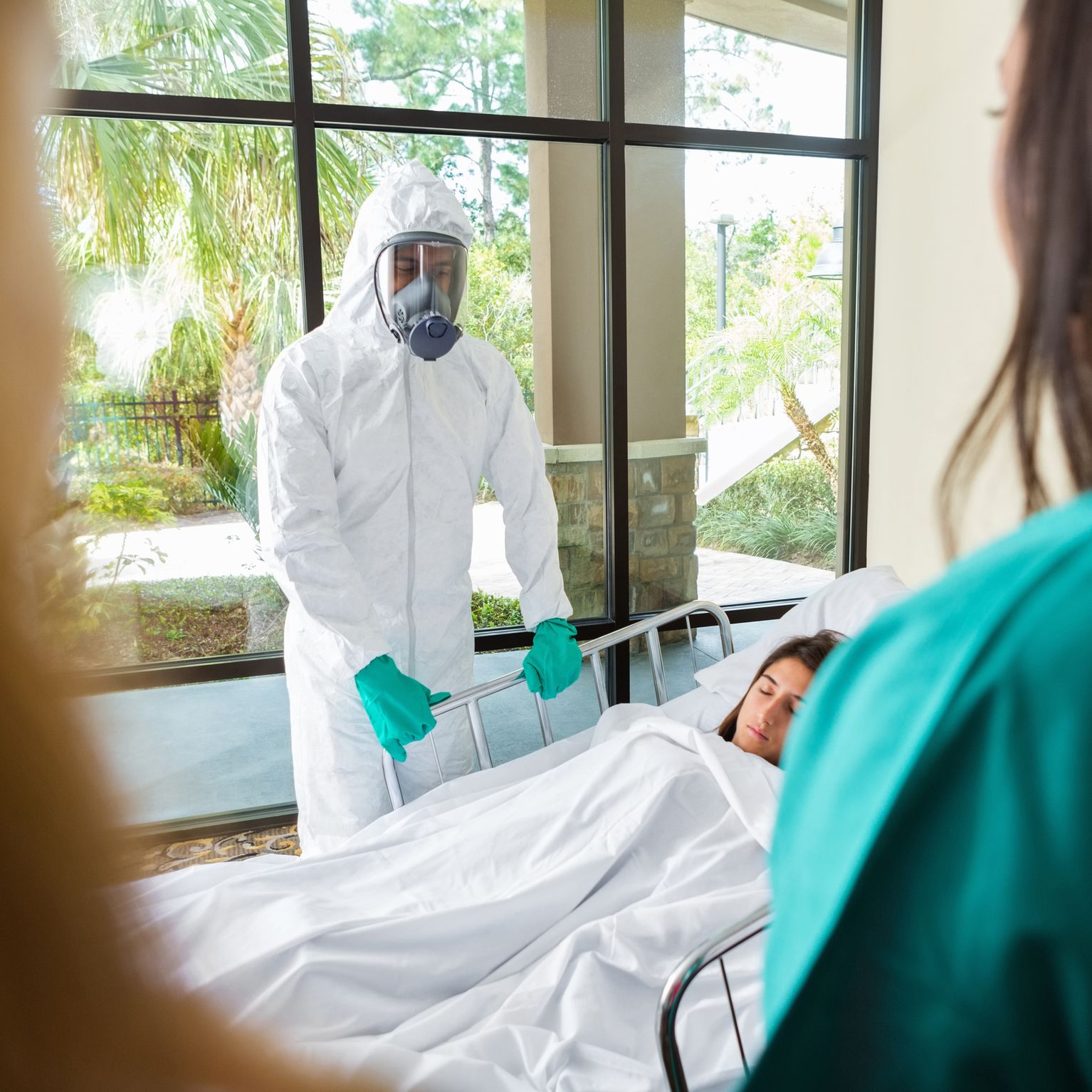
Throughout the past decade, there have been outbreaks of severe acute respiratory syndrome (SARS), H1N1 influenza, Middle East respiratory syndrome (MARS), Ebola, mpox and, of course, COVID-19. These events significantly impacted the global healthcare industry and billions of people around the world with more than 13 billion vaccines administered globally and, at its peak, approximately 1.9 million new hospitalizations reported to the World Health Organization (WHO). These experiences have raised concerns around disease transmission and what special handling is required for the disposal of biohazardous waste.
In light of these impacts and concerns, as well as the daily risks that exist when providing health care (spread of bloodborne pathogens and the risk of needlestick injuries), compliant biohazardous waste disposal is essential in healthcare infection prevention and keeping workers safe. It’s crucial that healthcare professionals familiarize themselves with proper biohazardous medical waste management and disposal.
What is Biohazardous Medical Waste?
Biohazardous medical waste generally includes waste known or reasonably expected to contain a pathogen. State agencies might use various terms for biohazardous, such as regulated medical waste, biomedical, infectious, or something similar, in their regulations. There are federal as well as varying state-specific requirements pertaining to its collection, transportation, treatment, and disposal. Simply put, biohazardous waste is any waste saturated with liquid or semi-liquid blood or other potentially infectious materials (OPIM) that has the potential to cause harm or infect humans. This includes, but is not limited to: