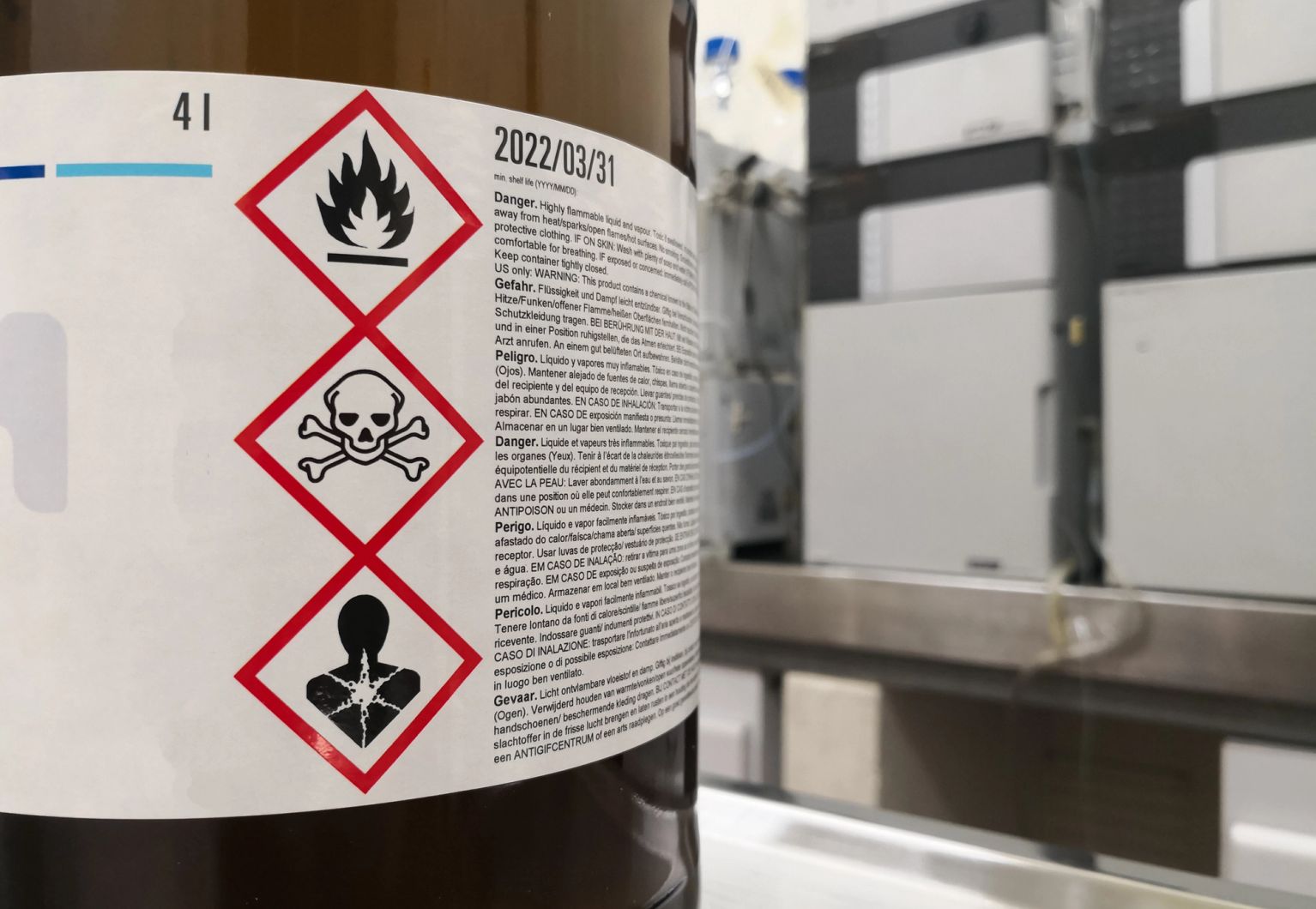
Healthcare providers devote themselves to protecting the health and safety of both their patients and surrounding communities. Yet, risks to healthcare workers' own safety can hinder their ability to deliver optimal patient care. A safer healthcare workplace could improve not only healthcare worker well-being but staff productivity and even patient outcomes.
Education and communication are critical aspects of a safety-based culture in healthcare settings, especially when employees may be exposed to hazardous chemicals in the workplace. To ensure healthcare organizations maintain the safest work environments possible, the Occupational Safety and Health Administration (OSHA) established the Hazard Communication Standard (HCS), which requires all employers to communicate hazardous chemical information to their employees with the help of Safety Data Sheets (SDSs).
Last year, OSHA issued a final rule that updates the Hazard Communication Standard (HCS) to align primarily with the seventh revision of the United Nations’ Globally Harmonized System of Classification and Labelling of Chemicals (GHS). The final rule was published on May 20, 2024, and took effect on July 19, 2024. There is a transition period for compliance.
OSHA believes this update to the HCS will improve worker protections by clarifying existing regulatory requirements, incorporating new hazard classes and categories, and improving and streamlining precautionary statements.
The HCS final rule compliance timelines are as follows:
Chemical manufacturers, importers, and distributors: Must update labels and safety data sheets (SDSs) by May 19, 2026, for substances, and by November 19, 2027, for mixtures.
Employers: Must update their workplace labels, hazard communication program, and employee training (if necessary) by November 20, 2026, for substances, and by May 19, 2028, for mixtures.
OSHA Requirements: Employers must maintain a copyof the SDS for each hazardous chemical in the workplace. However, some exceptions apply:
Consumer Product: If a hazardous chemical (e.g., household cleaning product) is used by employees for the same purpose, duration, and frequency as a consumer, then it would not apply to the requirements of the HCS such as maintaining an SDS.
Cosmetics: Cosmetics intended for personal consumption by employees while in the workplace are also exempt from HCS requirements.
WM has answered some frequently asked questions about SDSs to help healthcare employers and providers create a safer and more productive workplace for all.
OSHA's SDS Basics
What Is a Safety Data Sheet (SDS)?
A Safety Data Sheet provides comprehensive information about a hazardous chemical, including their properties and associated physical, health, and environmental hazards. An OSHA SDS also outlines any protective measures or safety precautions that employees should follow when handling, storing, or transporting the chemical. In addition, they contain important first aid information in case of accidental exposure to the hazardous chemical.
According to OSHA’s HCS, a chemical manufacturer or importer must provide an SDS to the distributor or employer prior to or at the time of shipment of the hazardous chemical. In turn, employers must ensure their employees can quickly access the most up-to-date SDSs for hazardous chemicals used and stored in their workplace.
OSHA requires that employers maintain copies of SDSs for each chemical in the workplace classified as hazardous. Certain hazardous chemicals, such as household cleaning products, may be exempt from this requirement if they are used in a manner consistent with typical consumer use. Similarly, cosmetics are also exempt from the HCS requirements if they are intended for personal consumption by employees while in the workplace. However, an employer is not prohibited from following the HCS requirements and maintaining an SDS for a hazardous chemical that is exempt if they choose to.
What Is the OSHA Hazardous Communication Standard?
OSHA’s Hazardous Communication Standard (HCS), commonly referred to as ‘HazCom’, is a regulation designed to help organizations that use hazardous chemicals keep their staff safe through effective communication and protective measures. Essential requirements of the HCS for employers include:
Maintaining a master list of hazardous chemicals onsite
Creating a written hazard communication program
Properly labeling workplace containers of hazardous chemicals
Making SDSs readily accessible to employees
Providing comprehensive training
Organizations that follow these five steps are properly positioned to maintain safe work environments and improve their compliance program to align with federal requirements.
SDS For Employers:
What are an Employer’s SDS Responsibilities?
The HCS requires employers to keep an updated SDS for every hazardous chemical used or stored in the facility, regardless of the frequency or amount of chemical used. Employers can request additional copies of SDSs from chemical manufacturers, importers, or distributors at any time.
Employers are required to ensure that SDSs are readily accessible during each work shift to employees when they are in their work area(s). These documents may be organized in binders or maintained electronically. If electronic storage is chosen, a secondary electronic or physical backup must be available in case of a power outage or other emergency. In addition, if the SDSs are stored electronically, then employees must be able to access them immediately without any barriers. They cannot be required to perform an internet search in order to locate the SDS they need to access.
Do Employers Have to Keep All SDSs They Receive? Can Old SDSs Be Discarded?
Employers need to maintain an updated SDS for each hazardous chemical used or stored in the workplace, and OSHA regulations do not explicitly require employers to keep an SDS for a hazardous chemical no longer in use at the facility. However, a record of a hazardous chemical no longer in use is required to be maintained for 30 years, and keeping the SDS is one way to meet that requirement.
Manufacturers, importers, or employers who prepare SDSs are required to update them within three months if they become newly aware of any significant information regarding the hazards of a chemical or ways to protect against the hazards. Employers should regularly check with chemical manufacturers to ensure they have the most up-to-date SDSs.
How Can Employers Ensure Compliance with SDS Requirements?
To comply with federal safety standards, organizations must first identify all hazardous chemicals stored and used onsite. This may involve conducting a room-by-room inventory and listing all the chemicals present.
Once an organization has a detailed list of hazardous chemicals, administrators should confirm that the required SDSs are available and accessible to all staff members. Organizations may want to designate a specific person responsible for obtaining and maintaining SDSs. This person could also be responsible for communicating SDS updates and other new information to staff.
SDS For Employees:
When Should Employees Use SDSs?
In healthcare settings, providers should review SDSs before working in a lab, using anesthesia, disinfectants, and other situations that involve hazardous chemicals. It’s a requirement that employees know where SDSs are kept and know how to access them in the event of an exposure or anytime they need to review.
How Should Employees Read and Interpret SDSs?
An SDS is divided into sixteen distinct sections and, when properly prepared, should present information in a clear and accessible manner. The initial three sections provide details on chemical identification, associated hazards, and composition. Sections four through eight address first aid procedures, firefighting measures, accidental release protocols, guidelines for handling and storage, exposure controls, and personal protective equipment (PPE). Sections nine to eleven cover the physical and chemical properties, stability, and reactivity, as well as toxicological data. Information contained in sections twelve through fifteen falls under the jurisdiction of agencies other than OSHA.
Are All Employees Required to Undergo Safety Training?
Yes, OSHA’s HCS requires employers to provide information and training to employees who work with or around hazardous chemicals before interacting with the material to learn how to protect themselves and others.
Hazardous chemical safety training should extend beyond what is outlined in the SDS. Proper education describes the dangers associated with the chemicals in the work area, what can be done to minimize risk, how to respond to a spill, and how this work relates to the HCS as a whole.
Proper SDS maintenance and training not only helps with your OSHA compliance program but creates a safer healthcare workplace that protects the well-being of employees, patients, and communities. Learn more about how WM can help your organization navigate OSHA standards.
This article is for general information purposes only and should not be construed as legal advice on any specific facts or circumstances.
Managing Category A Waste in Healthcare: Key Preparedness Considerations